

You have brown hair and a salon appointment booked, but the shade and technique are still open questions. Highlights that sit close to your natural base grow out softer, which means more weeks between touch-ups and no harsh line at the root.
This collection of 35 real looks covers the range from low-maintenance caramel pieces to bolder blonde and copper tones, all built on a brown foundation. Fine hair, thick hair, straight or wavy. There is a version here that works with your texture and your schedule, which is why Charming Highlights on Brown Hair 2027 fill so many saved boards. The hard part is choosing one.
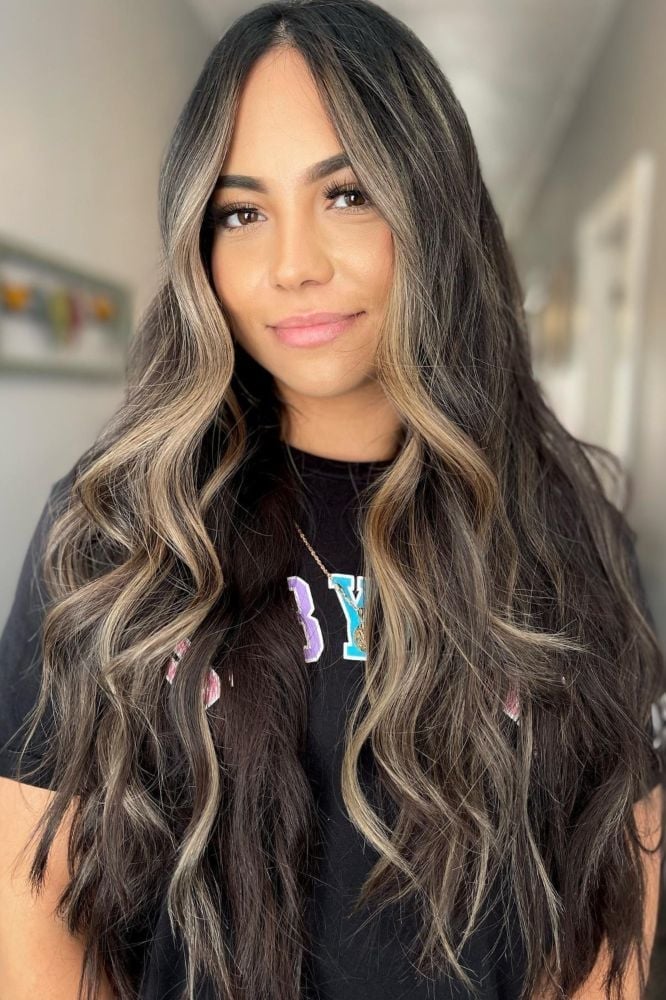
Dark brown base with blonde highlights framing the face
Blonde highlights that start at the brow bone and widen toward the ends change the whole geometry of a dark brown base. The curtain bangs catch some of that brightness, which keeps the color from feeling heavy around the jaw. This works because the middle part lets the lighter pieces fall symmetrically, and the loose wave adds texture without competing with the highlights. Thick, wavy hair that holds a curl is the ideal canvas here. The waves get definition that lasts through the day. This look requires bangs that need regular upkeep, and fine hair may not hold volume by midday.
Medium brown with subtle caramel highlights
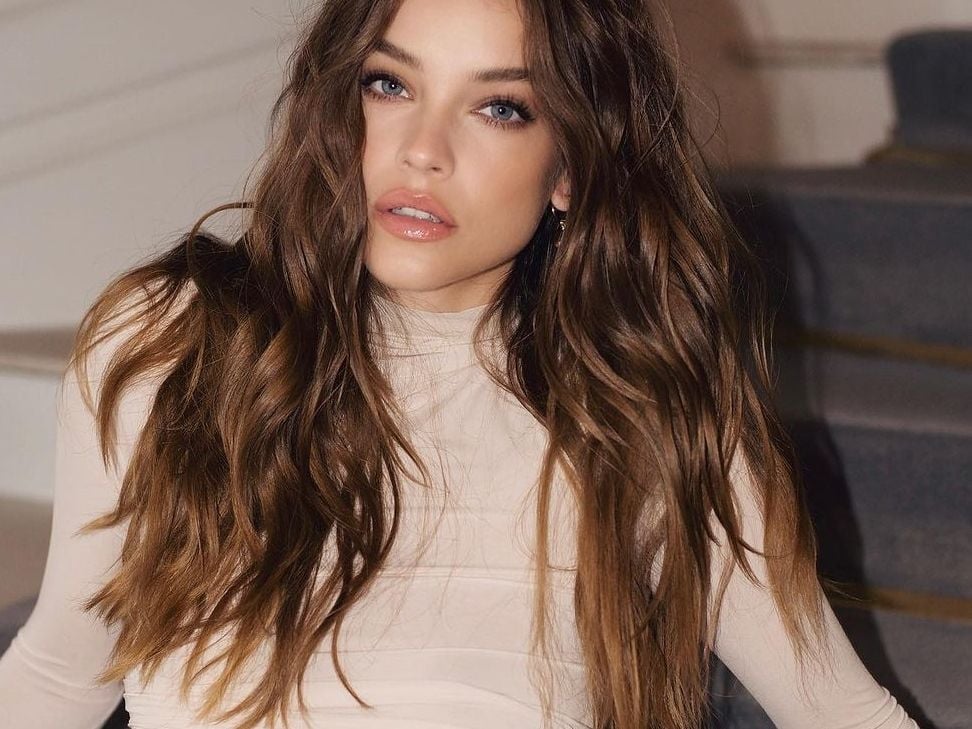
Where blonde highlights announce themselves, caramel whispers. Set against a medium brown base, the effect looks naturally sun-warmed rather than salon-saturated. The side part and air-dried wave keep the look casual, which is the whole point. This is for thick, wavy hair that air-dries without protest. A sea salt spray on damp hair encourages the wave and cuts blow-dry time in half. Skip it if you reach for a flat iron every morning or prefer your highlights to pop from across the room. Trim every six to eight weeks keeps the layers from turning shapeless.
Wavy bob with copper and blonde tones
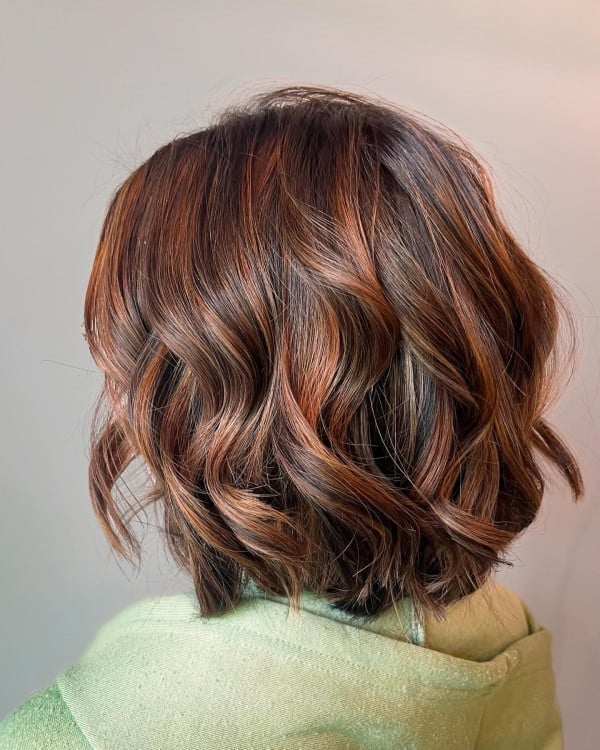
Not sure how to describe two highlight colors in one bob? Tell your colorist: dark brown base, subtle copper and blonde highlights, wavy bob. The copper reads first, adding warmth to the dark brown, while the blonde pieces keep it from going too red. The wave is essential here. It lets both tones catch light at different angles. Thick hair that holds a wave is the best candidate. Skip it if your bob tends to fall flat by noon or you prefer a single-tone finish.
Caramel balayage on dark brown hair for dimension
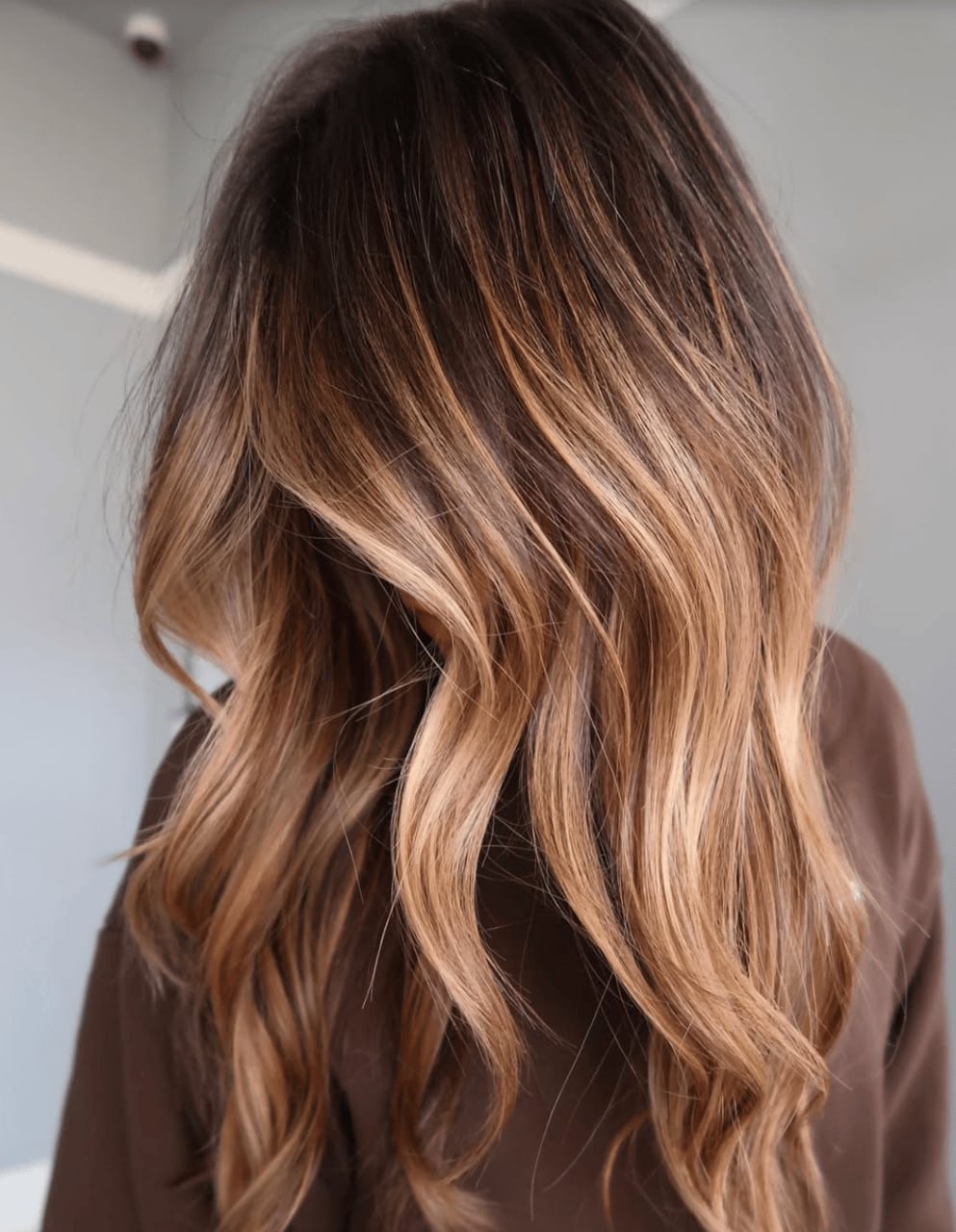
Balayage builds dimension by painting color where light naturally hits. On a dark brown base, caramel balayage creates a gradient that starts deeper at the roots and softens toward the ends. The back view here shows the technique at its best: the color wraps around the waves rather than sitting in stripes. Book it as: dark brown base, caramel balayage, loose wavy layers. The grow-out is forgiving because there is no hard root line. Three to four months between touch-ups is realistic. Thick, wavy hair holds the shape and the color equally well.
Long brown with ash blonde woven through
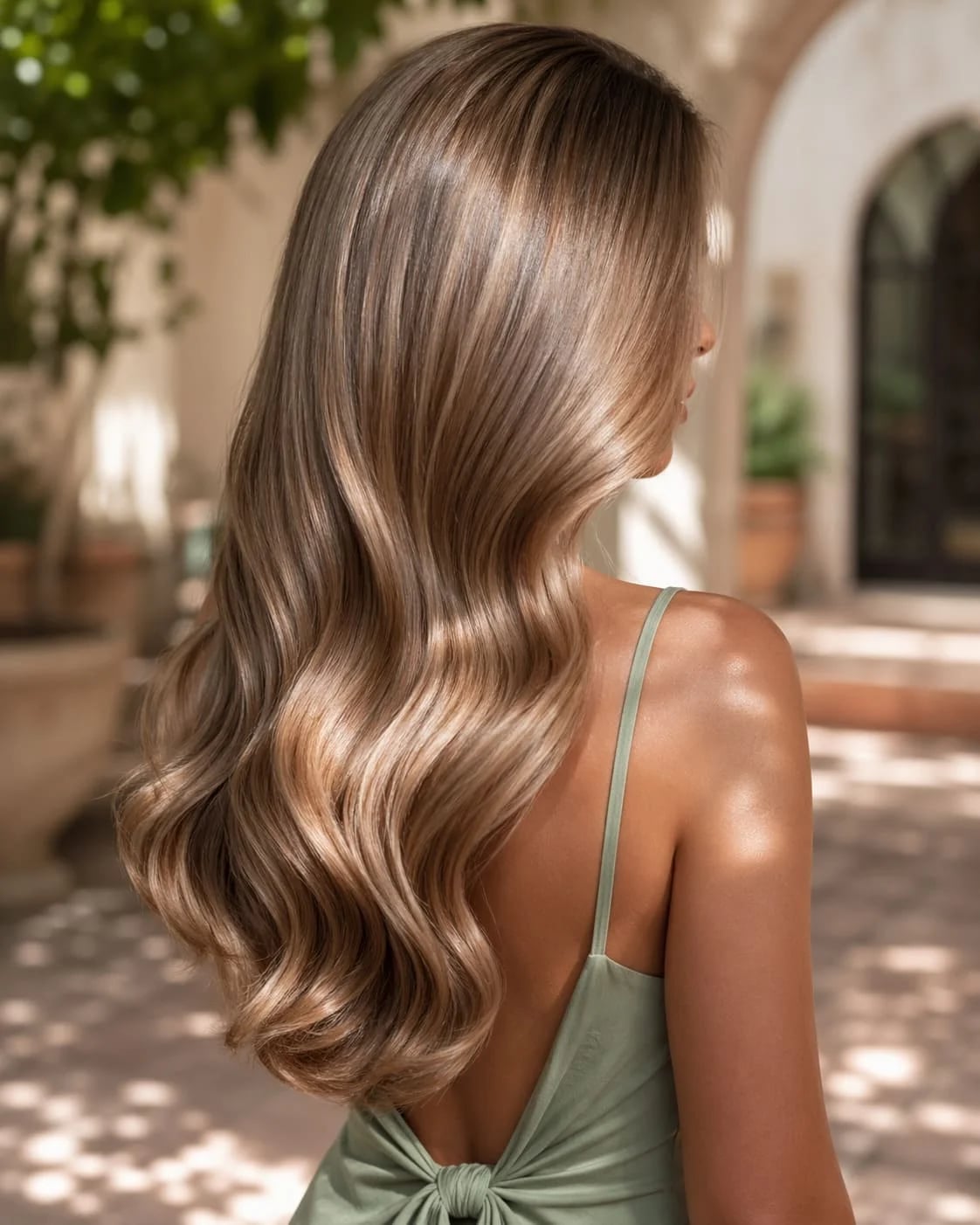
Ash blonde highlights on long brown hair read cooler than caramel but softer than platinum. The side part lets the lighter pieces fall forward, which opens up the face without requiring bangs. Long layers keep the weight manageable and give the wave somewhere to go. Tell your colorist: long layered brown hair, subtle ash blonde highlights, side part, soft waves. A smoothing serum on the mid-lengths controls any frizz that the wave pattern creates. Trim every six to eight weeks prevents the layers from getting stringy. Thick, wavy hair carries this length without looking bottom-heavy.
Face-framing layers with ash blonde highlights
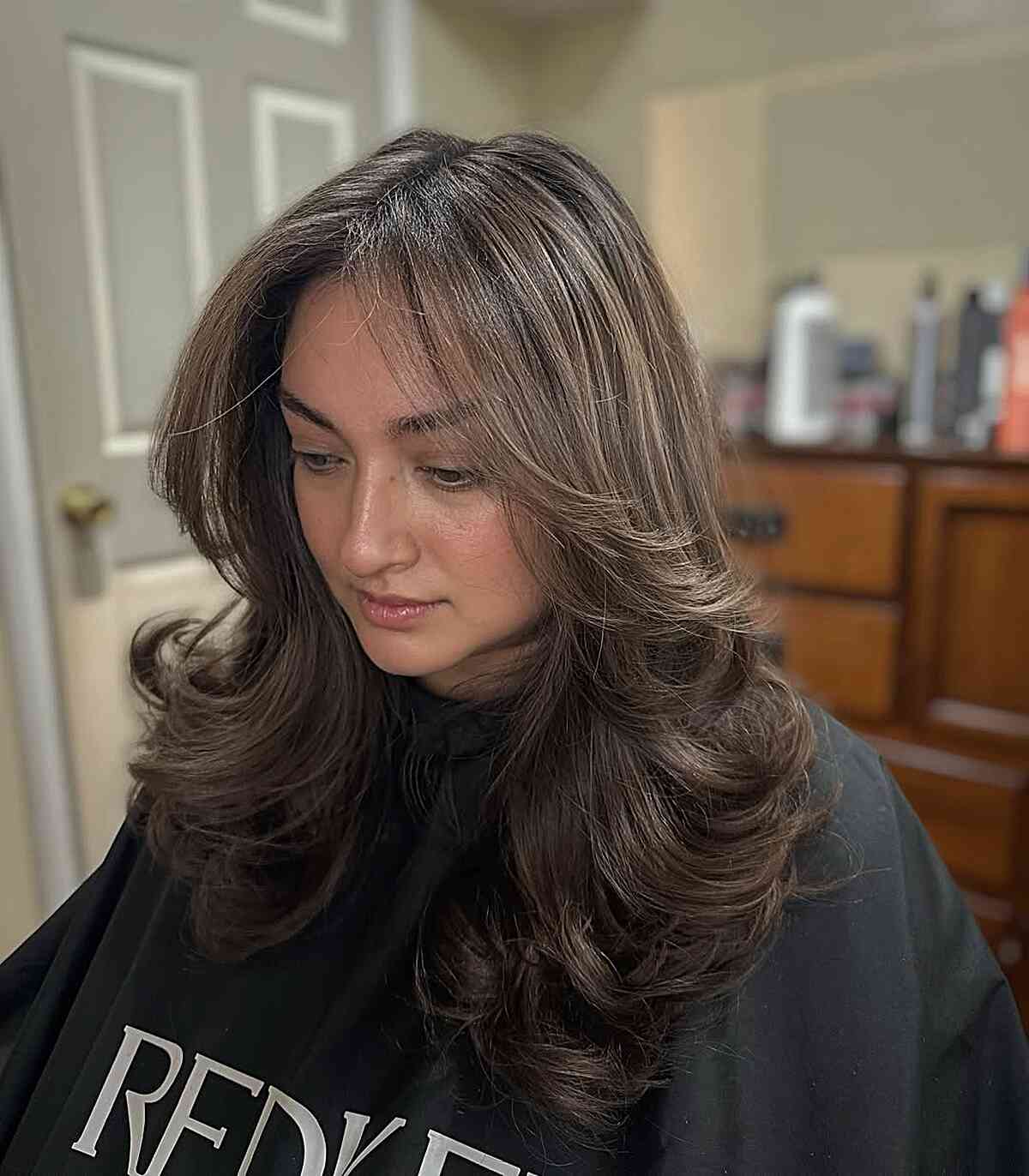
Thick, wavy hair holds a voluminous blowout best. The dark brown base here gets subtle ash blonde highlights placed around the face, and the result is a cooler contrast that avoids brassiness. Face-framing layers soften square and angular jawlines. Skip it if your hair is fine and tends to fall flat under a round brush.
Thick wavy dark brown with ash blonde balayage
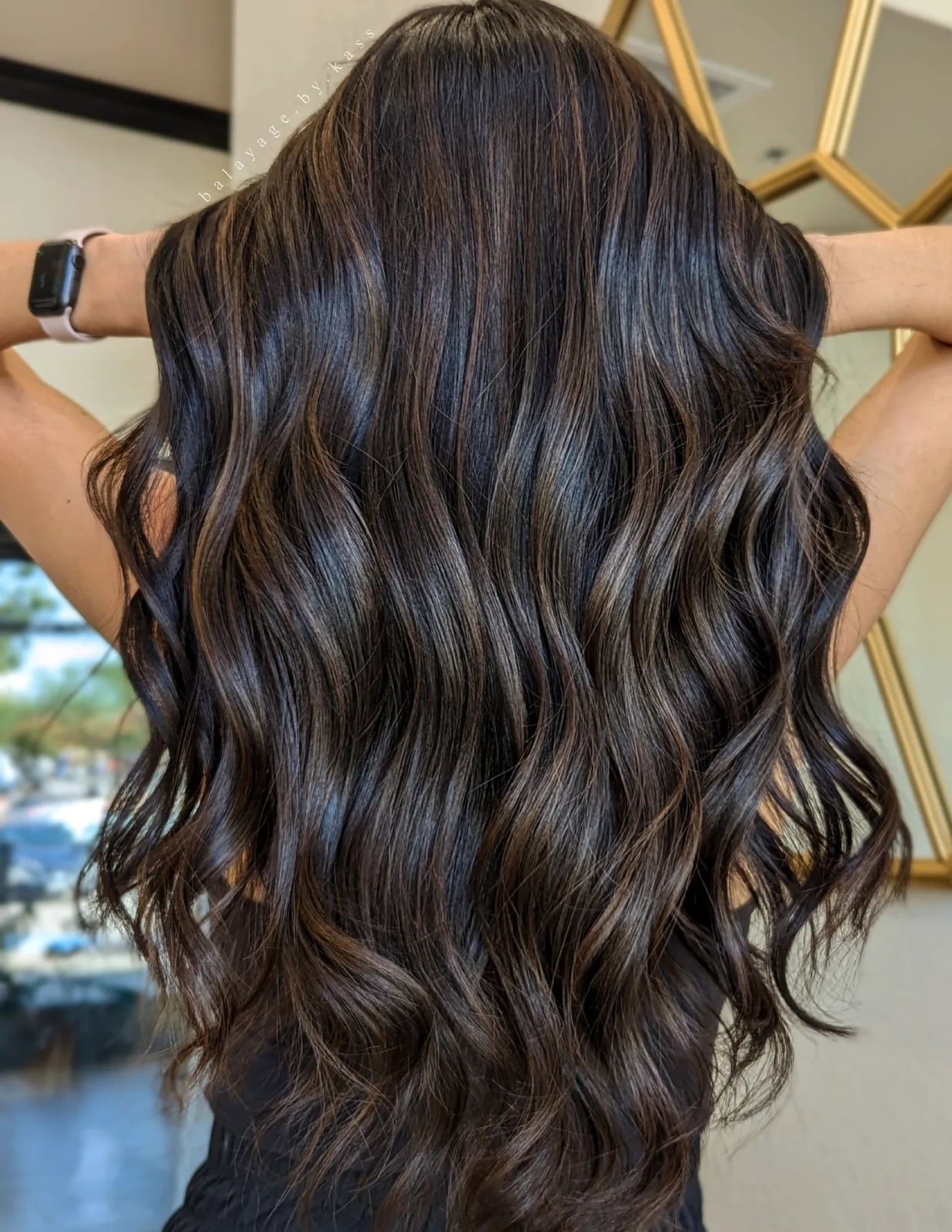
Balayage on thick, wavy dark brown hair offers a natural grow out that full highlights cannot match. The ash blonde tones are woven through the ends, leaving the roots darker and lower maintenance. This is a salon leaning technique, not a box dye job. The catch: balayage requires a skilled hand to place the lightener in a way that flatters your wave pattern, and it costs more upfront than standard foils. Ask your colorist for: subtle ash blonde balayage highlights that start below the crown.
Face-framing caramel highlights add warmth
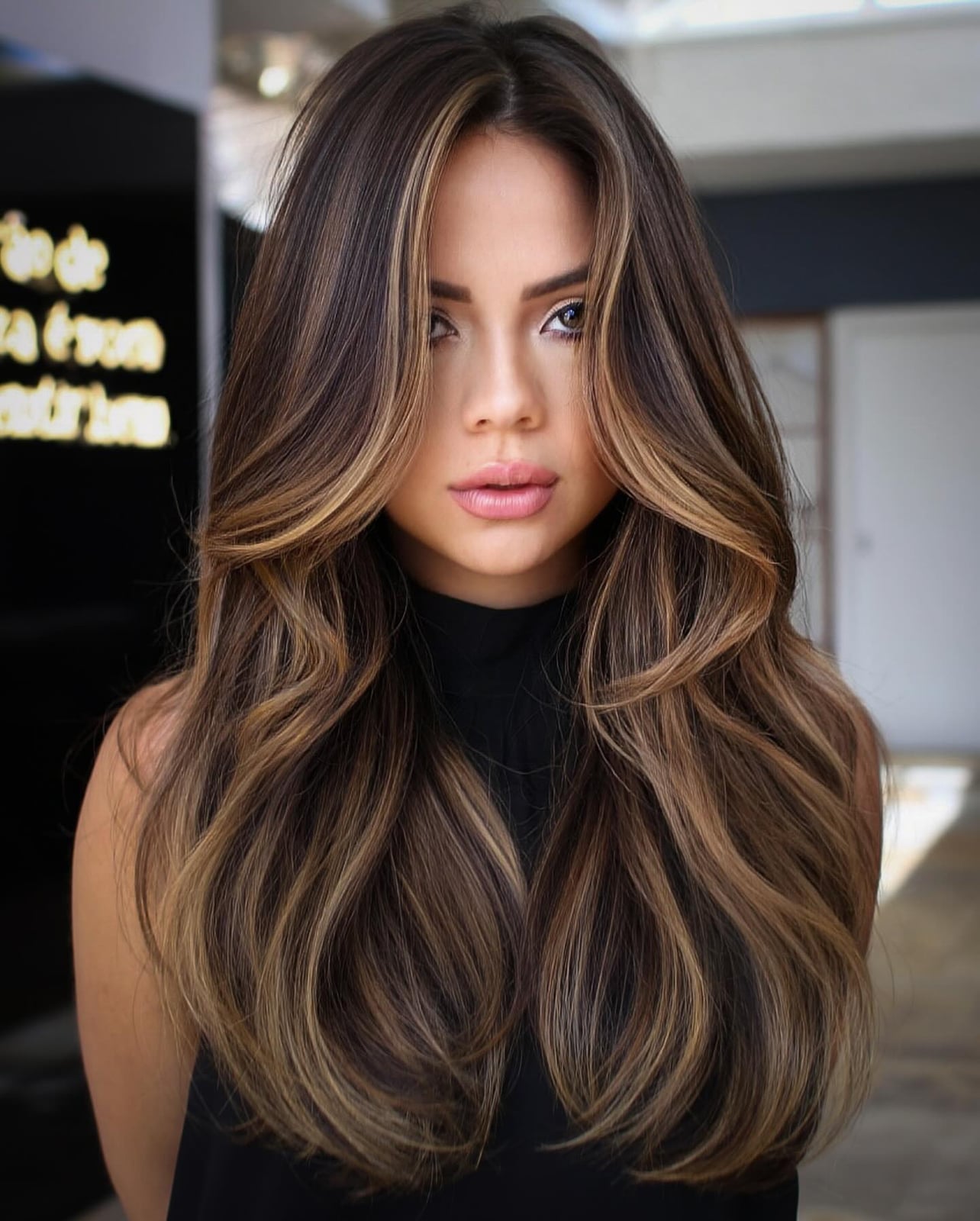
The caramel highlights here are concentrated at the front, wrapping around the face in a C-shape. On a dark brown base, this placement creates a warm halo effect. The wavy blowout amplifies the dimension, making the lighter pieces appear brighter. It works for most face shapes since the brightness draws attention inward.
Subtle face-framing caramel highlights on layers
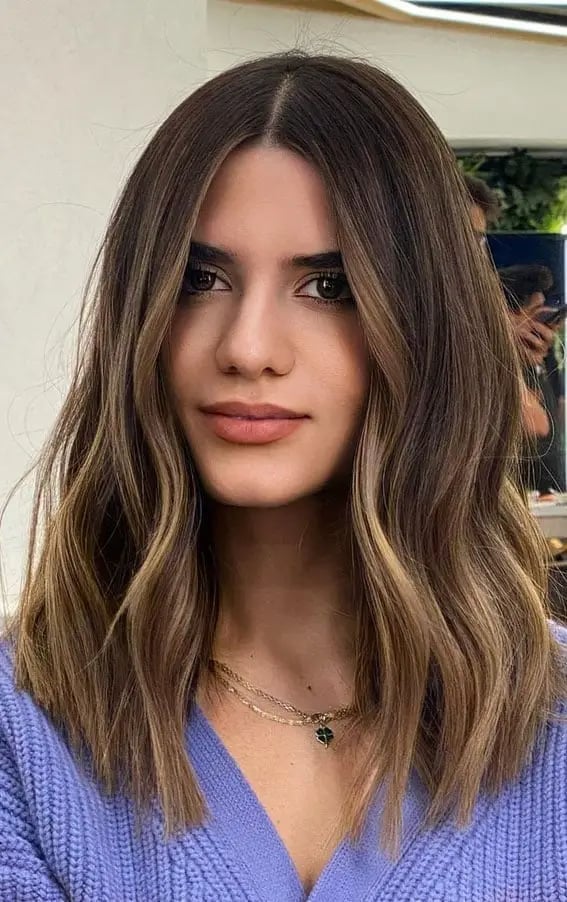
Want the warmth of caramel without a full highlight commitment? This is the version. The dark brown base stays rich, while soft caramel strands are painted only around the face and through the ends of the layers. The middle part keeps it balanced, and the loose waves add movement. Tell your colorist: dark brown base, soft face-framing caramel highlights, layered cut, loose waves.
Layered dark brown with face-framing caramel
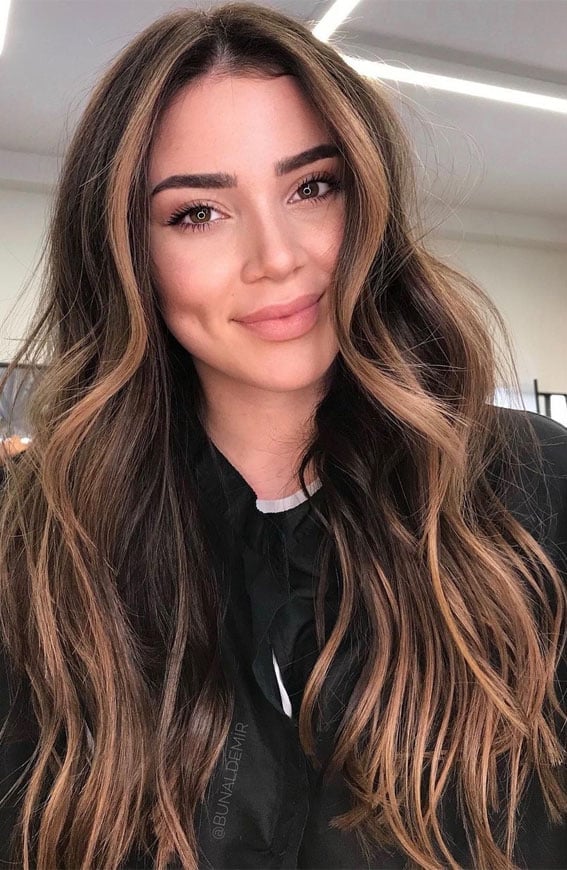
This version stays dark at the roots and mid-lengths, with the warmth concentrated at the front layers. It softens angular faces and pairs well with a middle part. The caramel tends to stay toward the front rather than reaching the back of the head.
Soft waves with face-framing caramel highlights
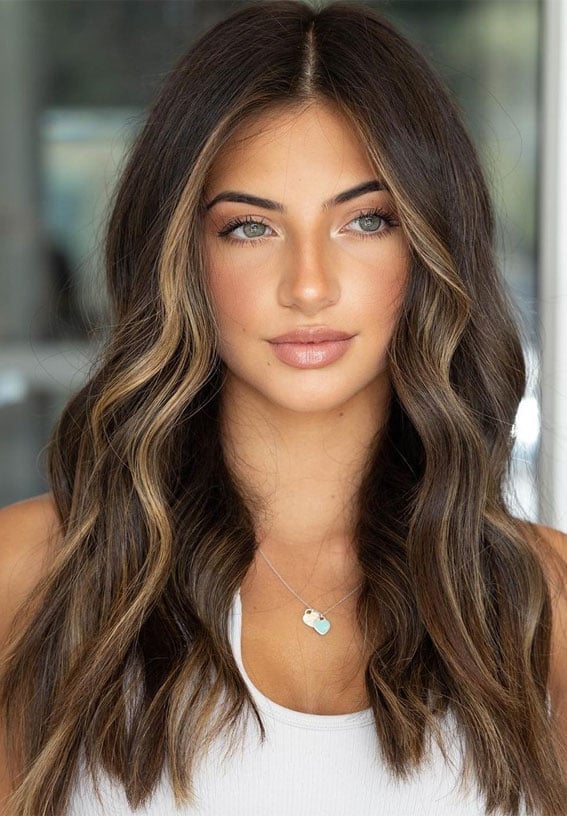
A middle part and loose waves mean the caramel pieces land exactly where they should. The dark brown base keeps the contrast deliberate. Ask your colorist for: dark brown base, subtle face-framing caramel highlights, loose waves, middle part. Thick, wavy hair holds this shape best. The catch: fine hair tends to swallow the wave pattern by midday.
Two tones at work here. The brown grounds the look, the caramel lifts it. No chunky streaks, no harsh lines, just soft transitions that make the face-framing pieces appear natural. Dry texture spray keeps the shape alive longer.
Dark brown with caramel highlights and layers
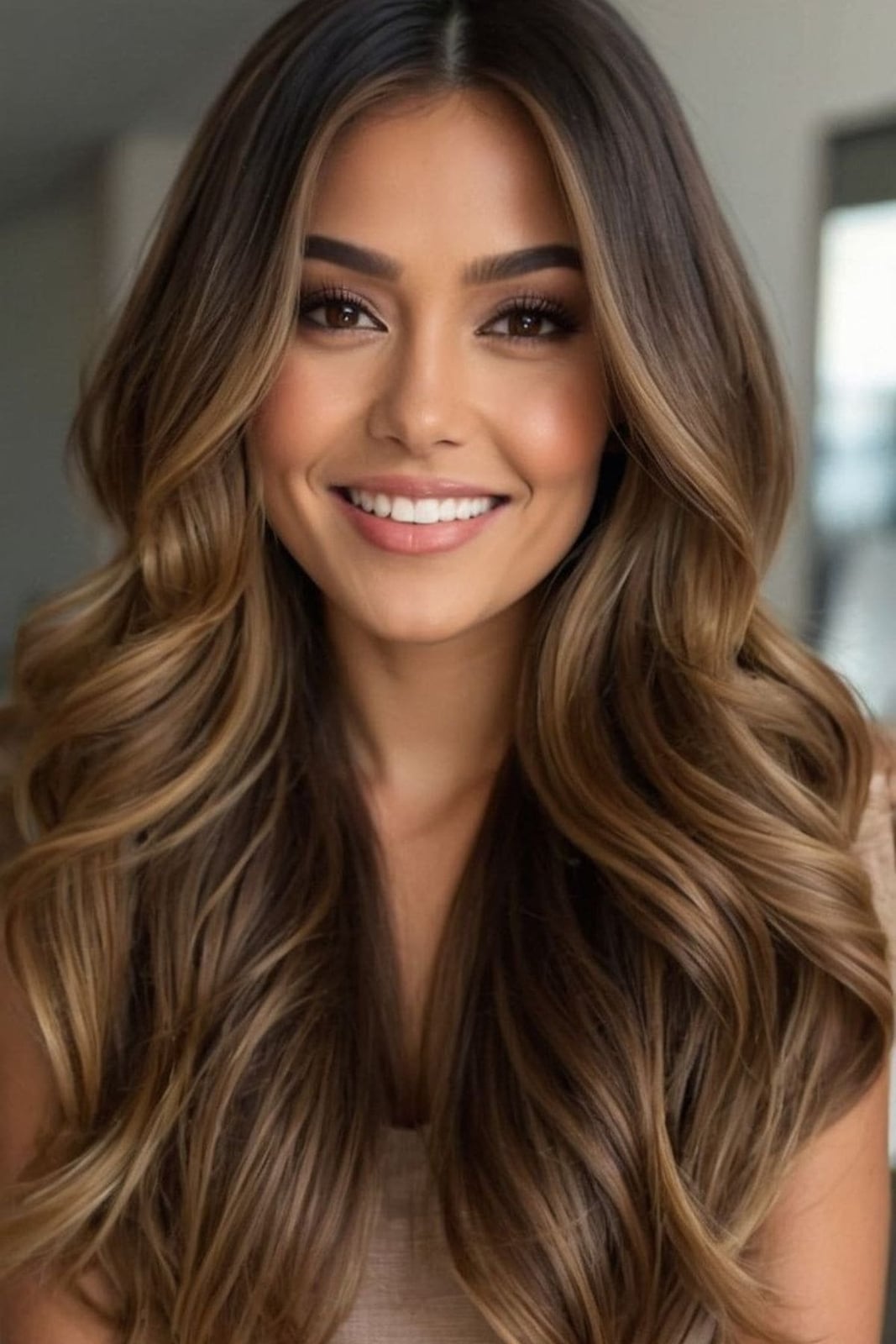
A layered cut and caramel highlights on thick, wavy dark brown hair create a contrast that holds up through the week. The middle part and soft blowout keep the shape wearable, not precious. A smoothing serum on the mid-lengths cuts down on frizz without flattening the wave.
Caramel highlights adding a lighter effect
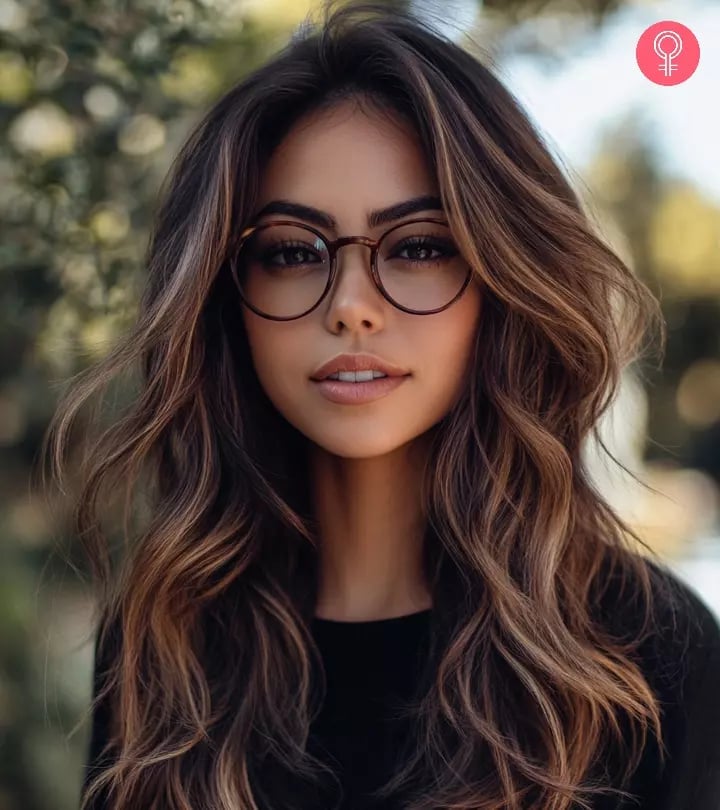
A rich dark brown base needs the right caramel placement to look sun, not stripe. This layered cut on thick, wavy hair delivers that. The middle part and soft blowout let the highlights sit evenly across the surface. Ask your colorist for: rich dark brown base, caramel highlights, layered haircut, thick wavy texture, soft blowout. Pass when your hair is fine or you prefer a sleek, straight finish. The texture is the whole point here.
Face-framing highlights add dimension and softness
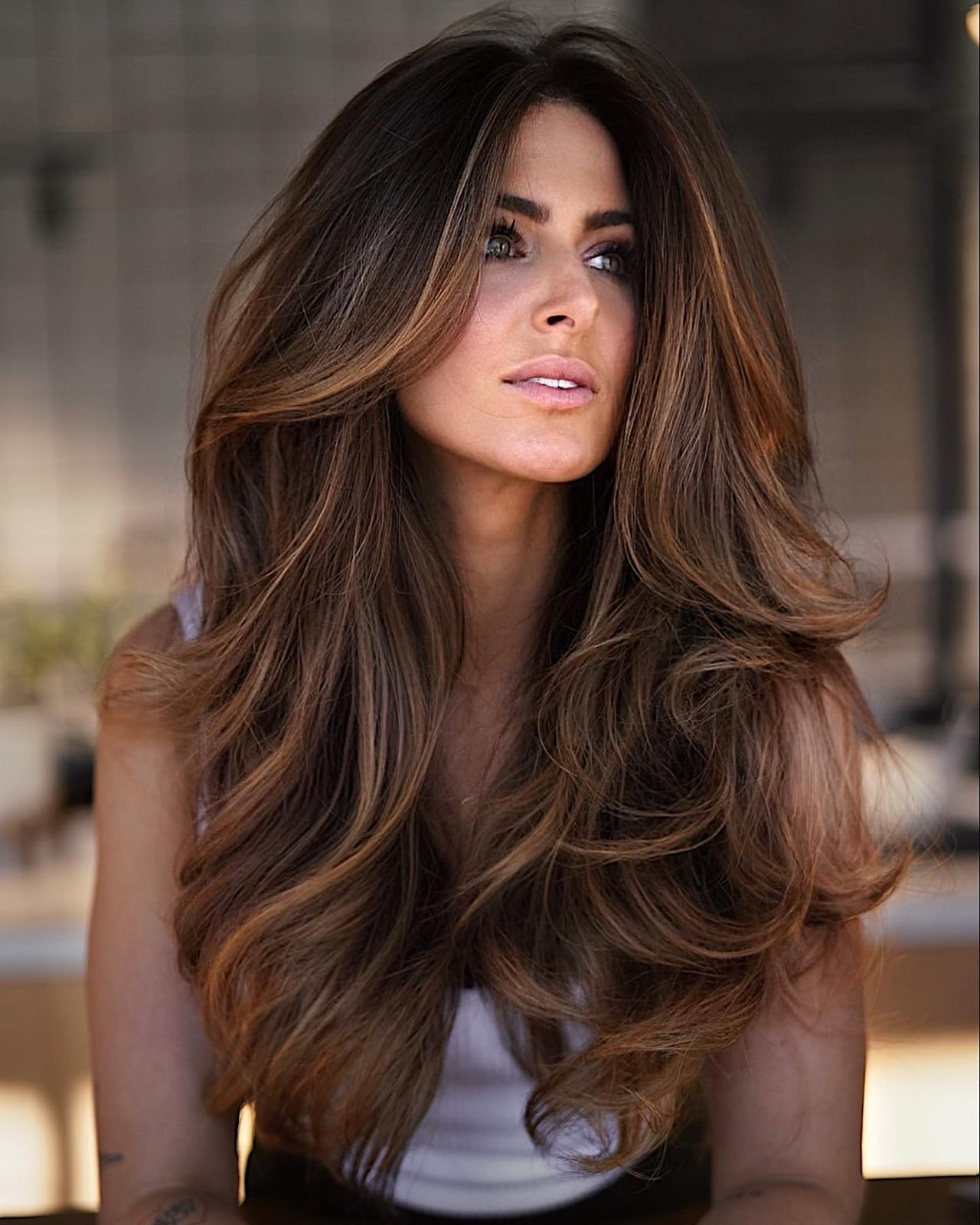
The dark brown base keeps the caramel pieces from looking like an afterthought. Side part, thick texture, soft waves, the formula is straightforward. One drawback: those lighter pieces around the face require more frequent toning than the rest of the hair. A purple shampoo every two weeks keeps the caramel from pulling orange.
Face-framing highlights for a natural lighter effect
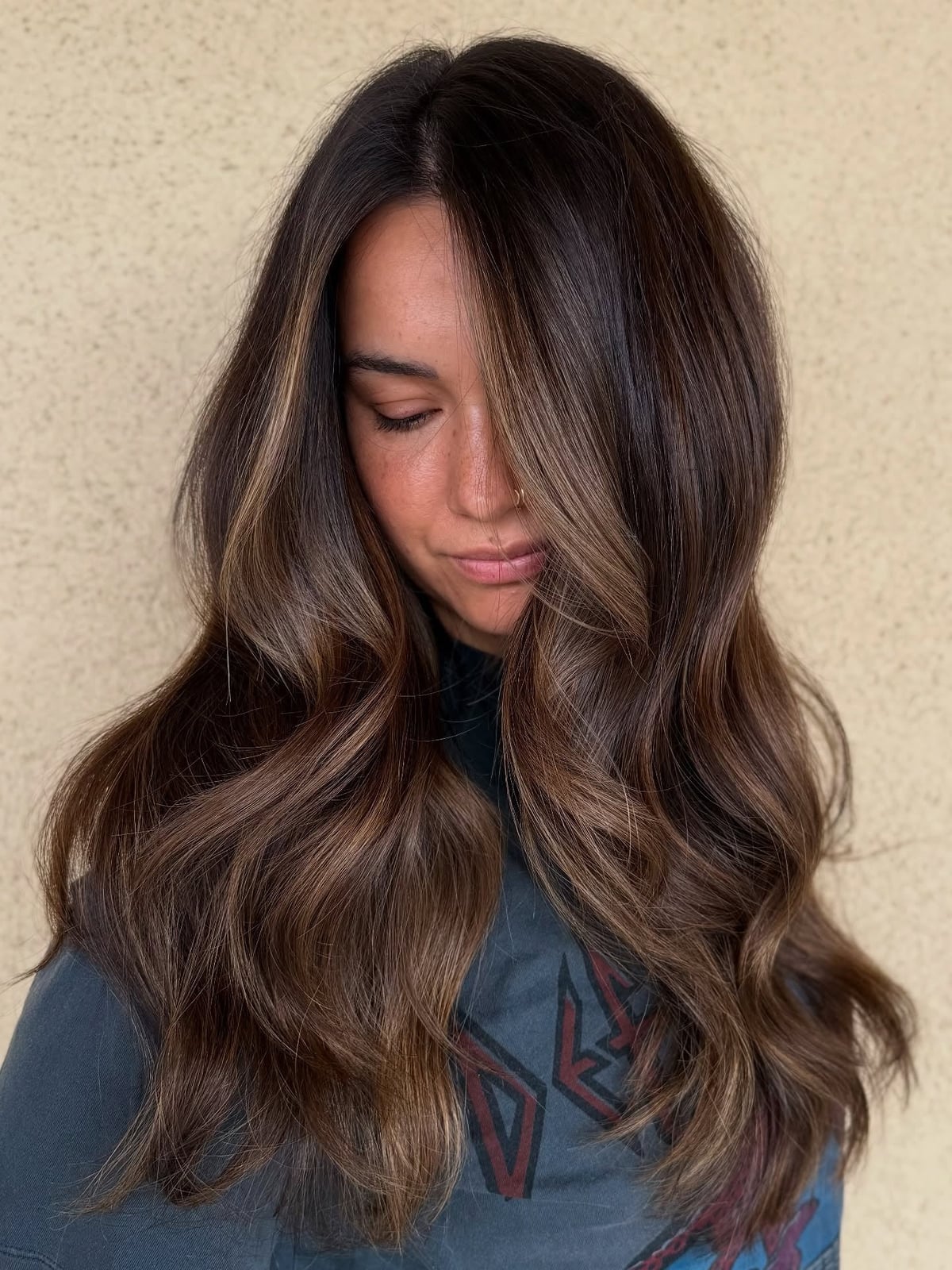
Balayage on a dark brown base means the caramel highlights taper as they move down, not start at the root. That gradation is what makes the face-framing pieces look like they arrived from the sun, not the bowl. Thick, wavy hair with a middle part and loose waves shows off the technique best. Ask your colorist for: dark brown base, caramel highlights, loose waves, face-framing pieces, balayage. Skip it if you want uniform lightness from root to end.
Layers pop with dark brown and caramel highlights, wavy, close-up take
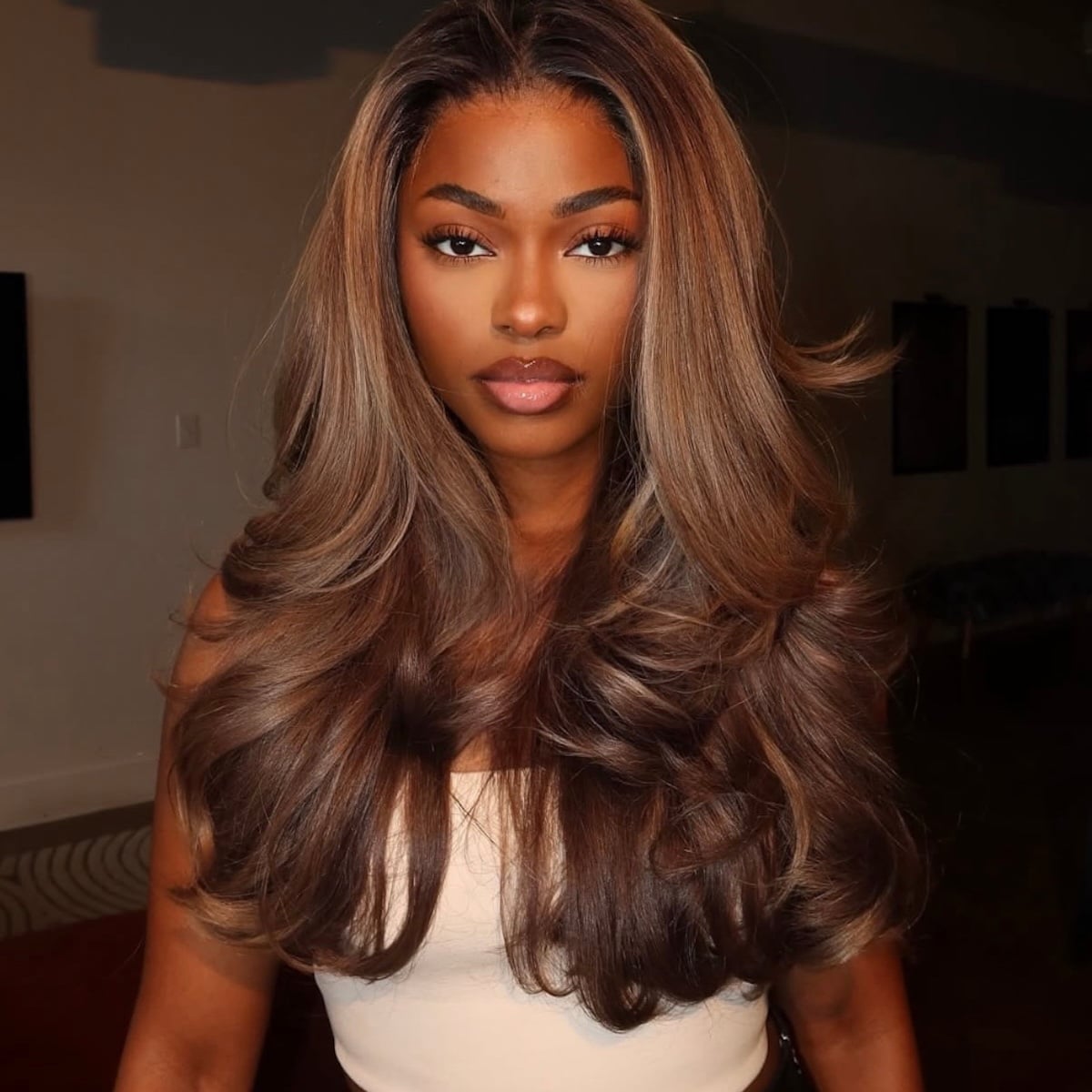
Between a blunt cut that hides dimension and a layered one that shows every highlight, the choice is clear. This version uses a dark brown base with caramel highlights woven throughout, and the layers let those lighter pieces catch light at different heights. The middle part keeps the placement balanced. Thick, wavy hair holds the wave best, but the blowout styling does the real work of making the caramel pieces sit evenly. Skip it if you prefer a blunt cut or a sleek, straight finish. The layers add movement and suit most face shapes, especially round ones that need vertical length and oval ones that can carry more volume.
Balayage technique adds dimension to caramel highlights
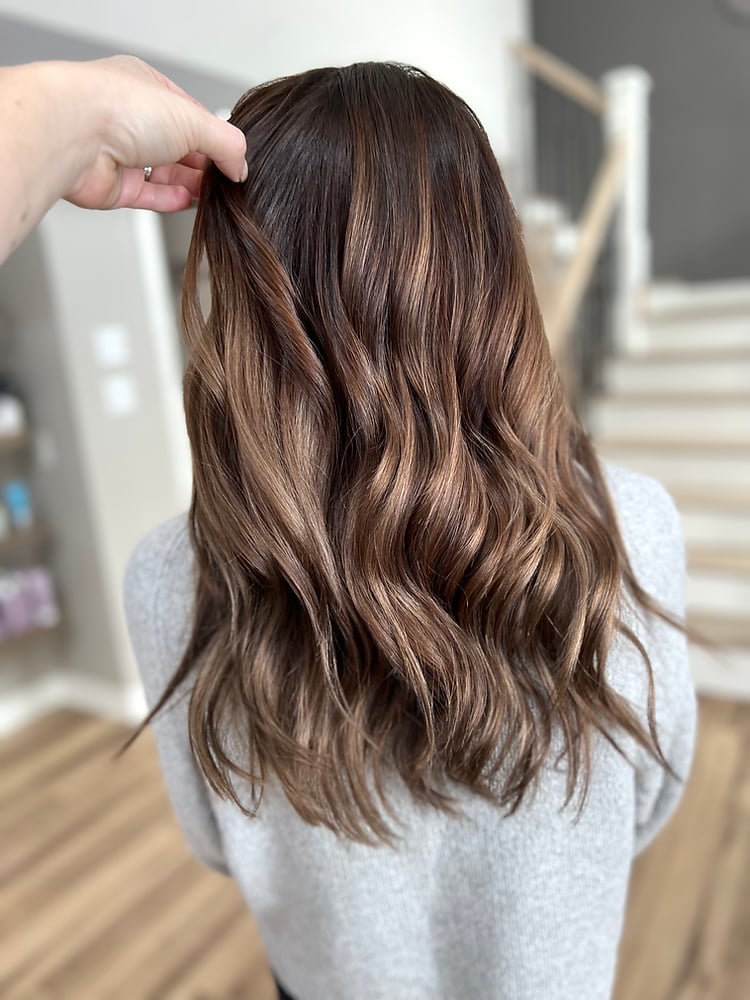
Balayage here means the caramel is painted freehand, landing heavier toward the ends and softer at the root. The result is a dark brown base that feels deeper because the lighter pieces sit on top, not scattered through. A foil highlight would give a more uniform stripe. This is looser, more lived-in. Thick, wavy texture is ideal; fine hair can work but needs a root volumizer to keep the wave from falling flat.
Ask your colorist for: dark brown base, subtle caramel highlights, balayage. The back view shows how the technique wraps around the curve of the head, so the dimension reads from every angle. Not for anyone who wants precise, evenly spaced blonding, balayage is a suggestion, not a map.
Caramel highlights catch the light on dark brown
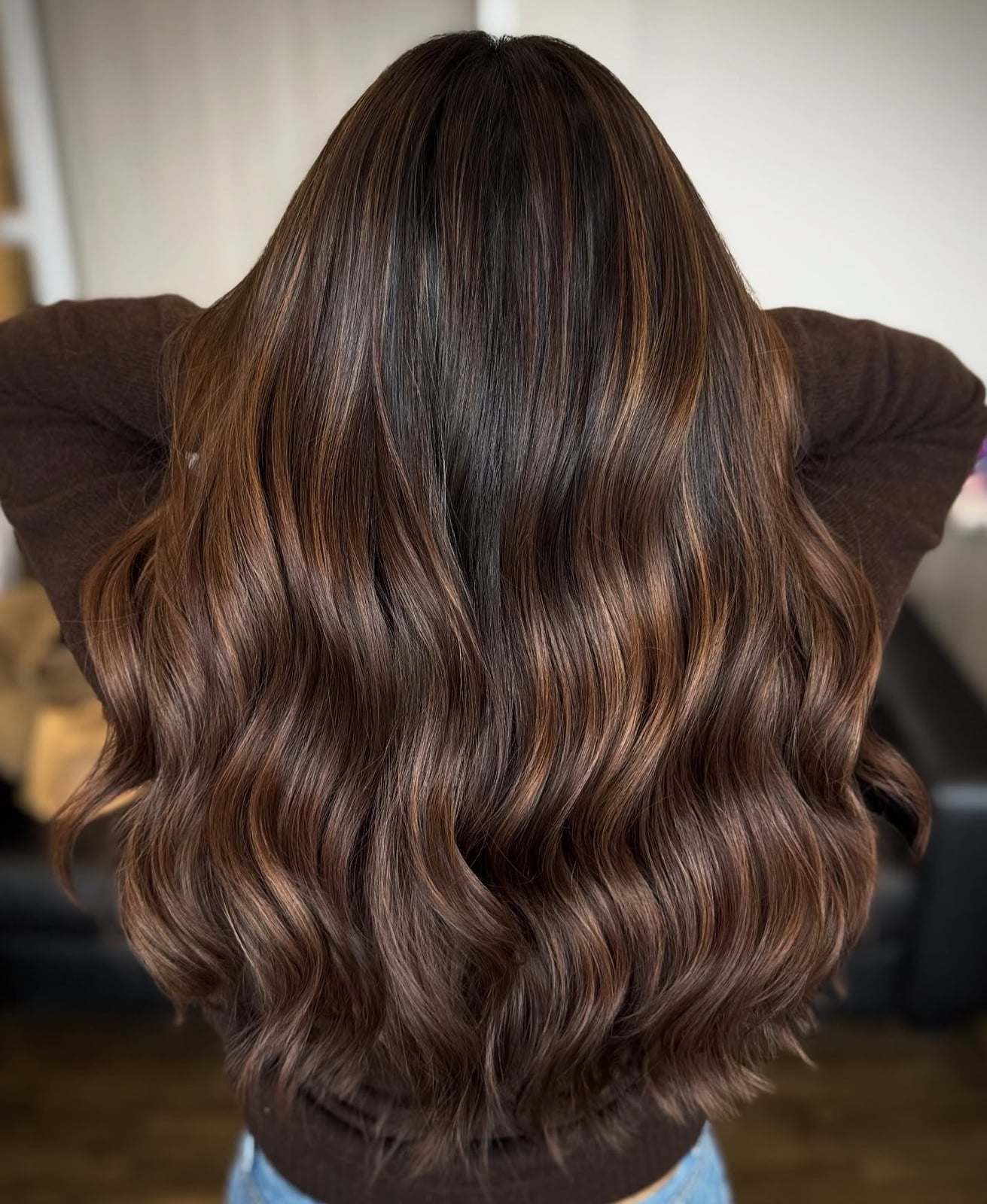
A centered part and layered cut let the caramel highlights land symmetrically on both sides. The warmth comes from the tone, not the placement. These are soft caramel pieces woven into a dark brown base, not a full front-to-back lightening. The waves are styled with a medium-barrel iron, three seconds per section, then finger-combed apart. Thick, wavy hair holds the bend.
Caramel highlights on dark brown layered hair
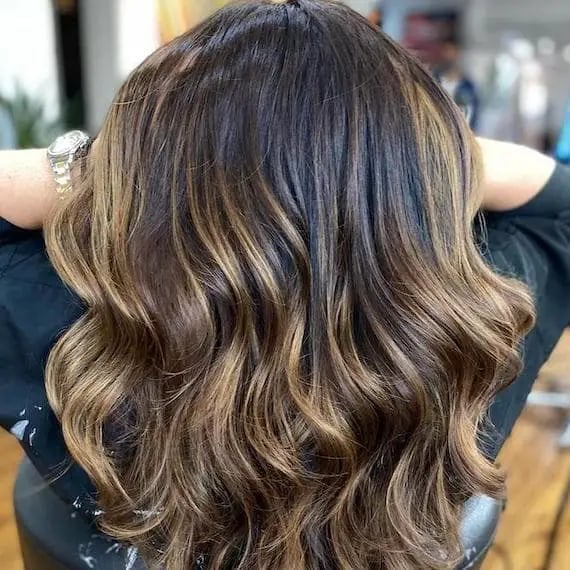
A middle part and layers create the frame; the caramel highlights sit mostly through the mid-lengths and ends, leaving the root dark. That root shadow is the maintenance secret. It buys you ten to twelve weeks between touch-ups. Ask your colorist for: dark brown base, caramel highlights, layered cut. The waves are done with a one-inch curling iron, wrapped away from the face. Thick, wavy hair accepts the wave easily; finer textures may need a texturizing spray at the root. A gloss every eight weeks keeps the caramel from pulling brassy.
Medium brown with caramel highlights and layers
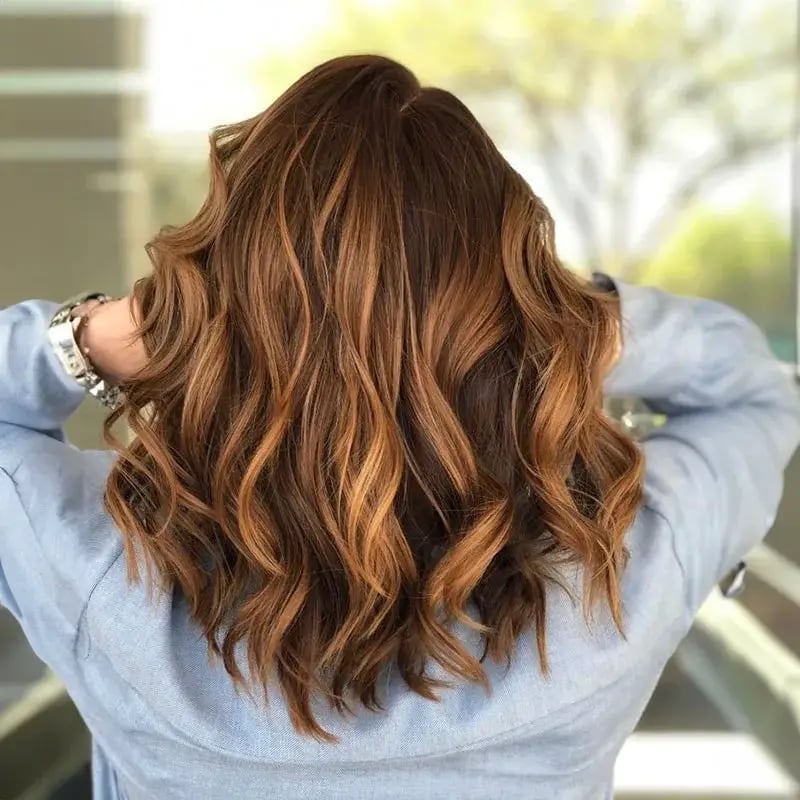
Medium brown is a forgiving base: it takes caramel without the stark contrast that dark brown can create. The highlights here are placed to add warmth, not lift the whole color. Caramel reads golden, so it is not for a cooler, ashier tone. Thick, wavy hair gives the waves body; a blowout with a round brush adds volume at the crown. The layers are cut to fall just below the collarbone, so the ends flip slightly when styled.
Dark brown with caramel highlights and side part
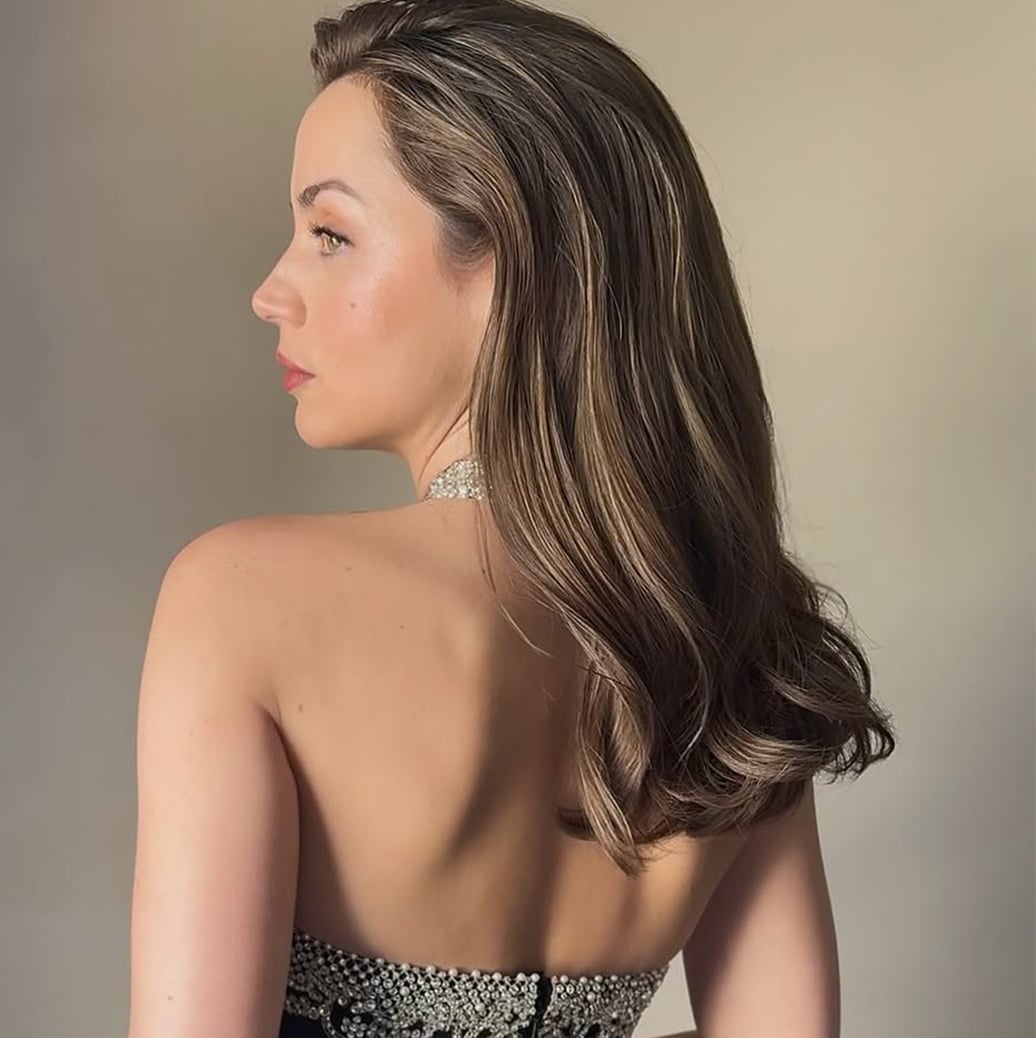
Side part or middle part. The decision changes how the color reads. A side part stacks those subtle caramel highlights on one side, making the warmth more visible than a center split would. The dark brown base stays deep, the caramel pieces sit fine and spaced, not chunky. Layers cut through the density so the waves have room to turn. Thick hair handles this without going flat. A blowout gives the waves shape, and the layered cut underneath provides structure. A middle part or a blunt cut hides the color placement. Tell your colorist: dark brown base, subtle caramel highlights, side part.
Face-framing blonde highlights on dark brown hair with thick texture
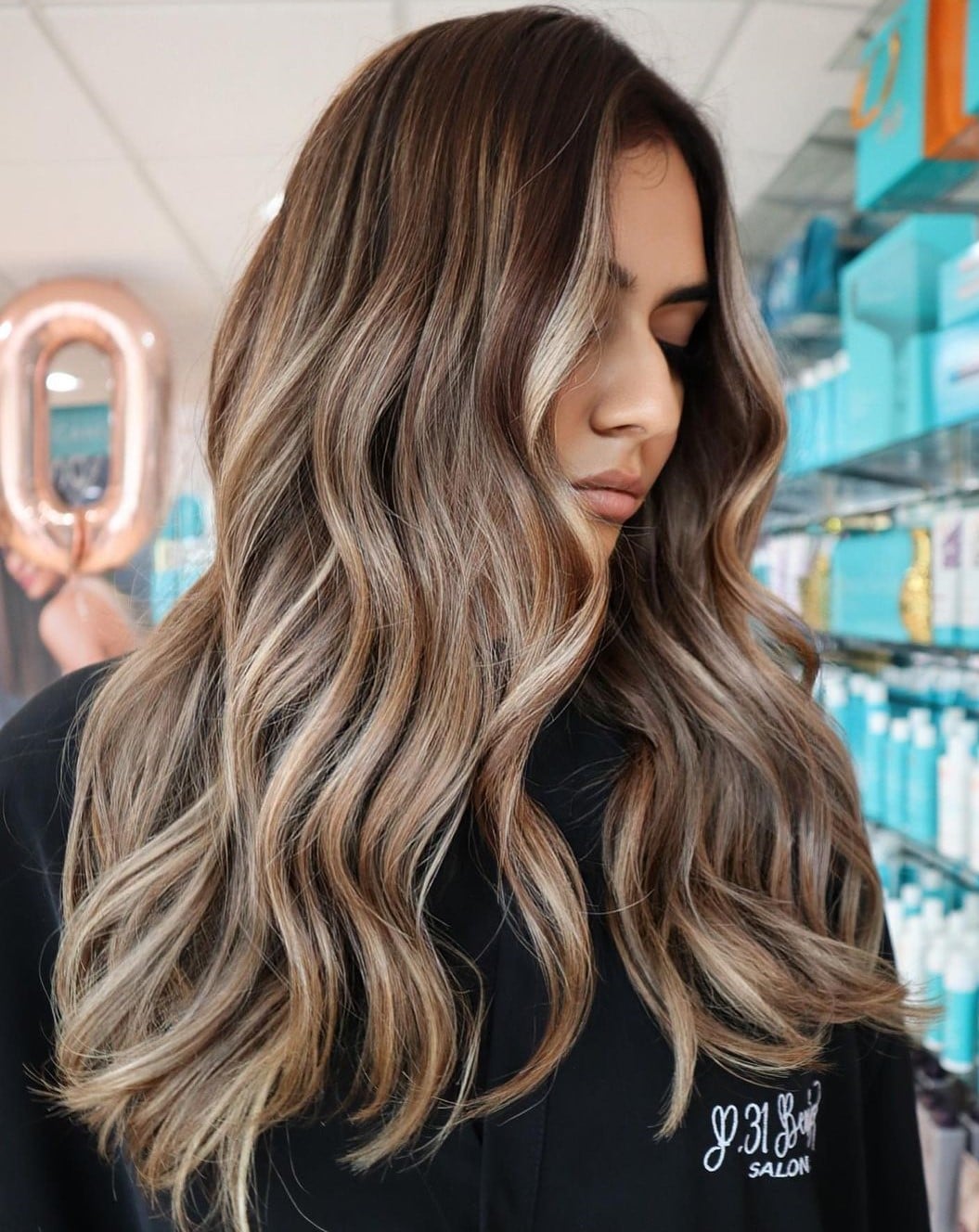
This look creates deliberate contrast. The dark brown base stays solid, and the blonde highlights sit thickest around the face, not scattered through the whole head. Thick, wavy texture carries the weight of both tones without looking busy. The layers keep the waves from turning into one solid block. A side part pushes the brighter pieces forward. You are not asking for all-over blonde, just a front-loaded pop that lands exactly where the light hits.
Dark brown with contrasting blonde highlights
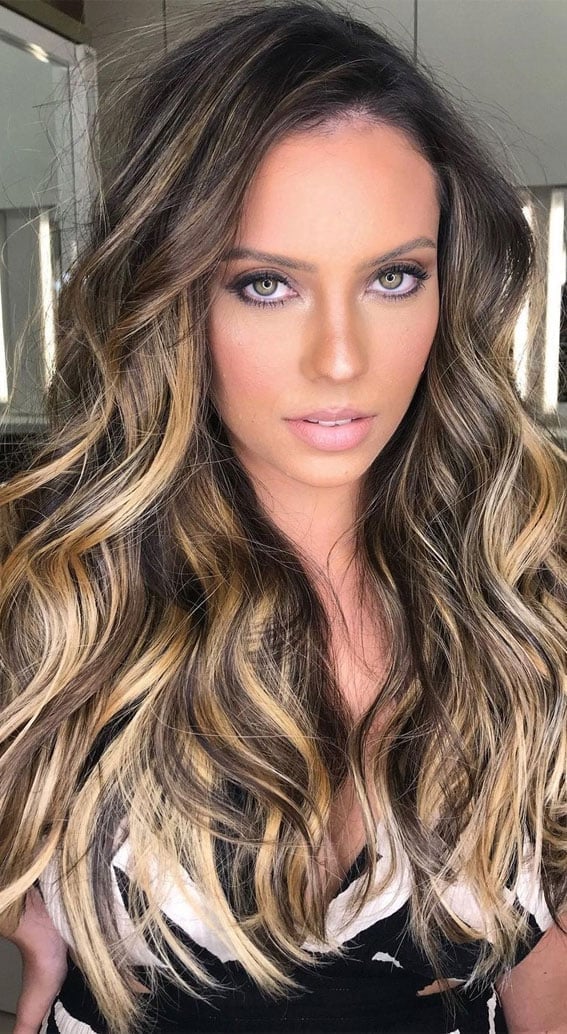
Contrast is the point here, not blend. The dark brown base sits deep and the blonde highlights cut through it in visible ribbons, not dusted-on whispers. Layers give the waves structure so each highlight has its own spot to land. A side parting adds to the asymmetry, letting the brighter pieces fall forward on one side.
Book it as: dark brown base, striking blonde highlights, layered cut, side part. The words matter because a stylist needs to know you want separation, not a soft melt. Thick, wavy texture is ideal here, fine hair might let the contrast look too harsh. The layers also keep the weight from pulling the waves straight.
Face-framing blonde highlights add brightness
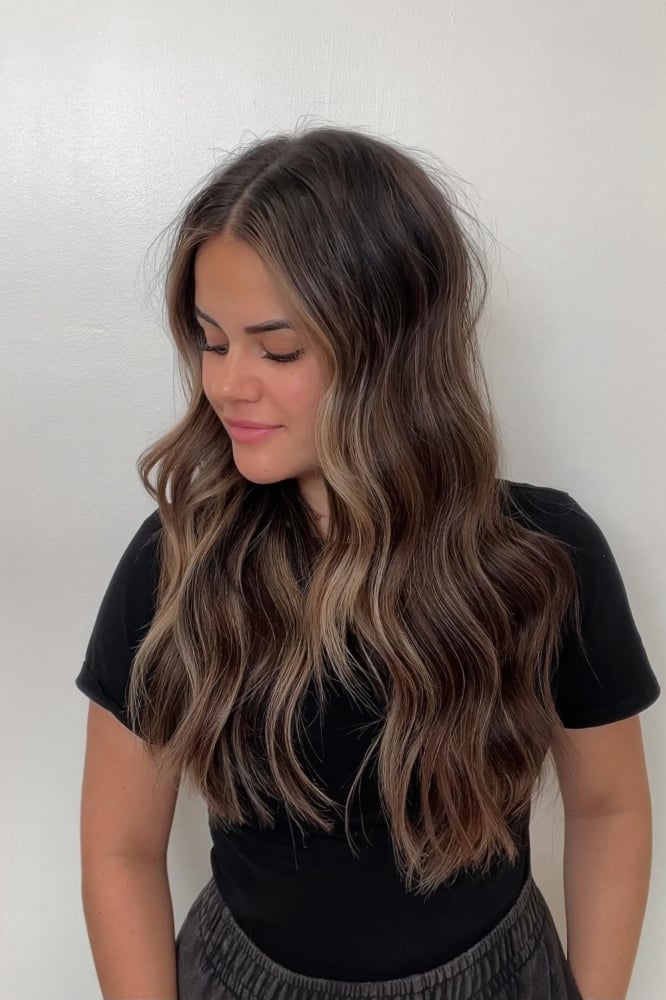
Versus all-over blonde, this keeps the dark brown base mostly intact and puts the brightness right where you see it. Subtle blonde highlights weave through the rest, but the face-framing pieces do the heavy work. A middle part sends those brighter strands evenly down both sides, which suits round and oval face shapes best. Thick, wavy texture gives the highlights enough surface to catch. The waves are styled, not natural, so a curling iron or large rollers are part of the routine. Not for anyone who wants an all-over color change. This is strategic placement, not a full commitment.
Dark brown with honey blonde highlights
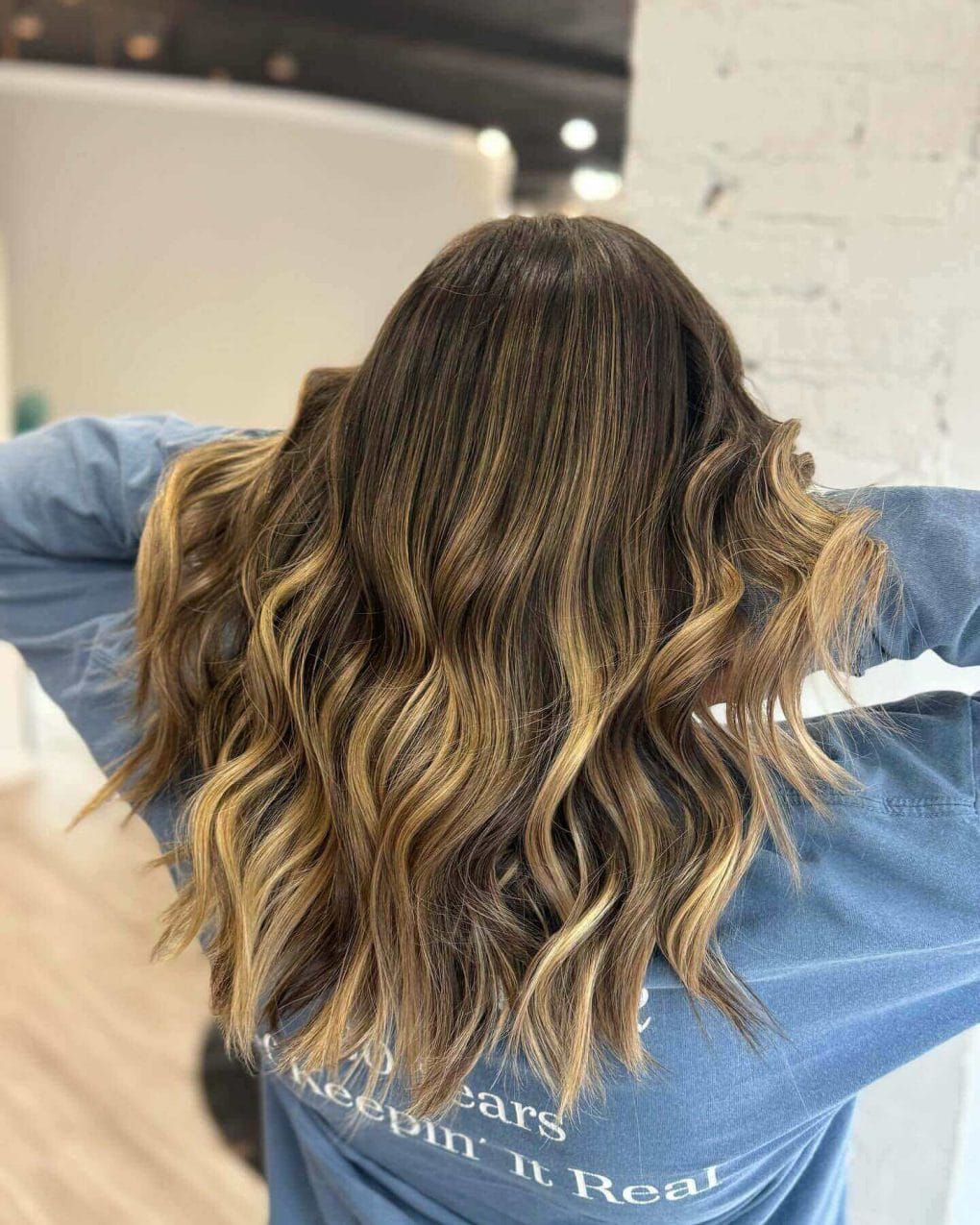
Honey blonde sits warmer than ash or platinum, which matters on a dark brown base. The subtle placement keeps the highlights from overtaking the base color. Loose, wavy layers give each honey piece its own movement, so the color shifts as the hair moves. Thick texture holds the wave pattern without needing product overload. The technique here is woven highlights, not balayage. The color starts closer to the root and fades through the mid-lengths. Tell your colorist: dark brown base, honey blonde woven highlights, loose wavy layers.
Warm brown with copper and layers added
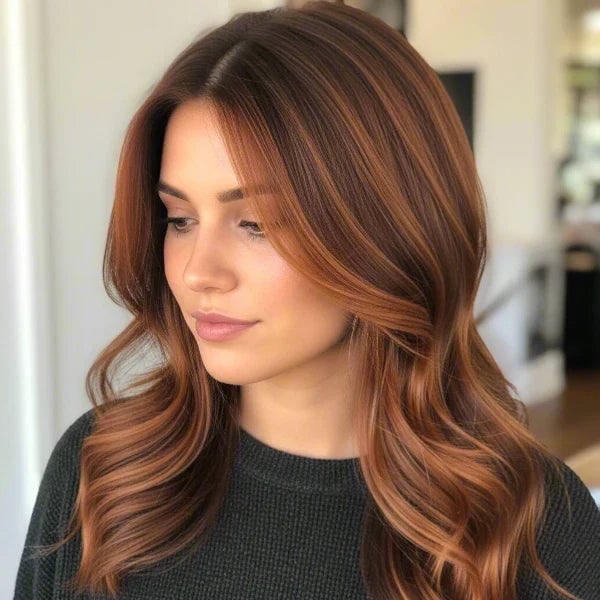
Layers do their best work when the color follows the shape. A warm brown base gets subtle copper highlights placed along the curve of each layer, so the tone shifts as the hair moves. The gentle blowout with waves shows exactly what the cut can do. A smoothing serum on the ends keeps the copper from looking brassy. It works best with layered cuts that have movement, not blunt or sleek finishes.
Dark brown base with copper highlights
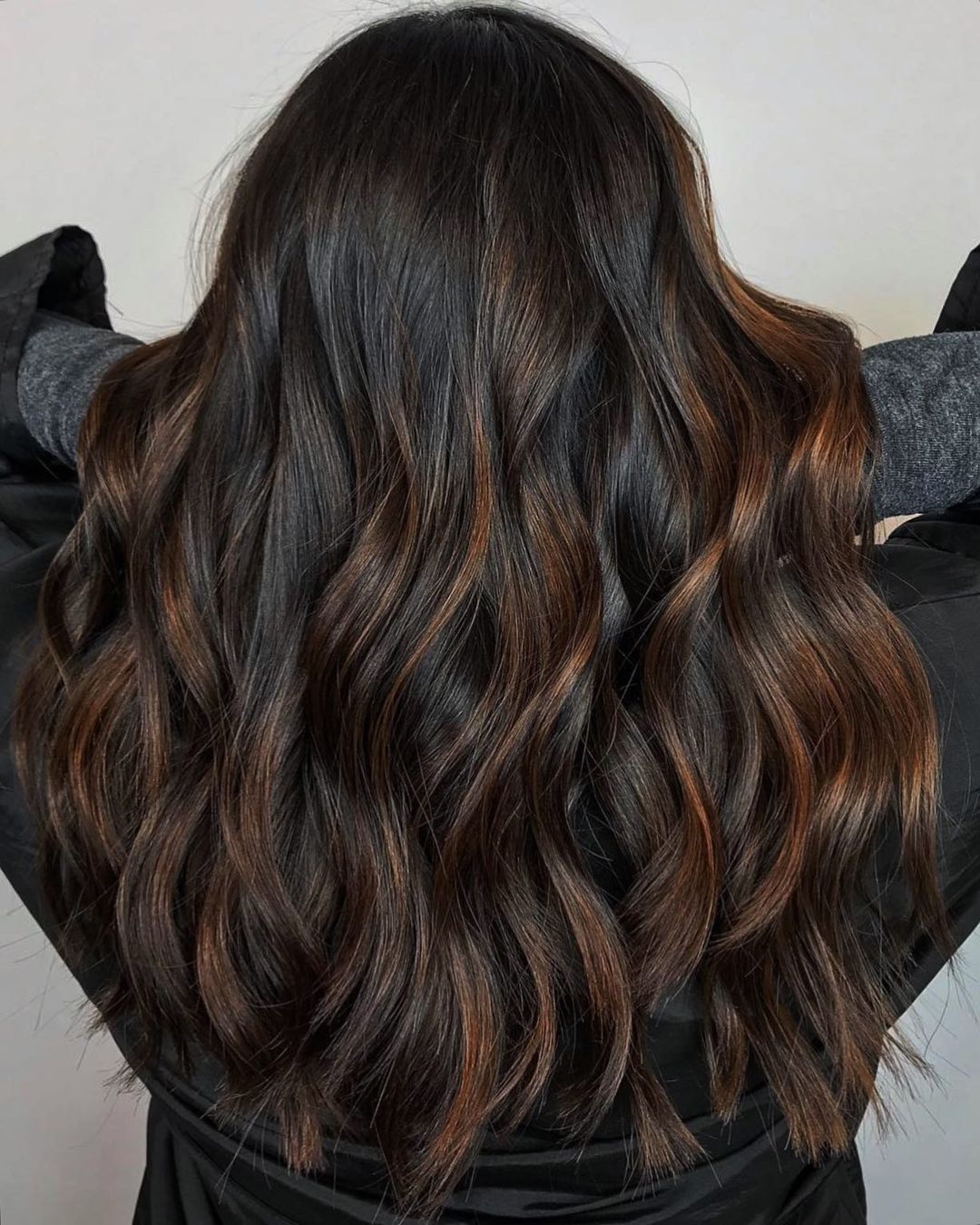
Copper highlights on a rich dark brown base are warm without being red. The placement stays subtle, concentrated on the ends, leaving the roots dark for a lived-in grow out. Loose flowing waves give the copper pieces room to shift as the head turns. Ask your colorist for: rich dark brown base, subtle warm copper highlights, loose waves. This suits thick hair that holds a wave without product. The copper tone works best on warmer coloring. The wave is not optional here. Straight hair would let the copper sit too flat against the dark base, creating stripe, not dimension.
Stacked bob with copper highlights
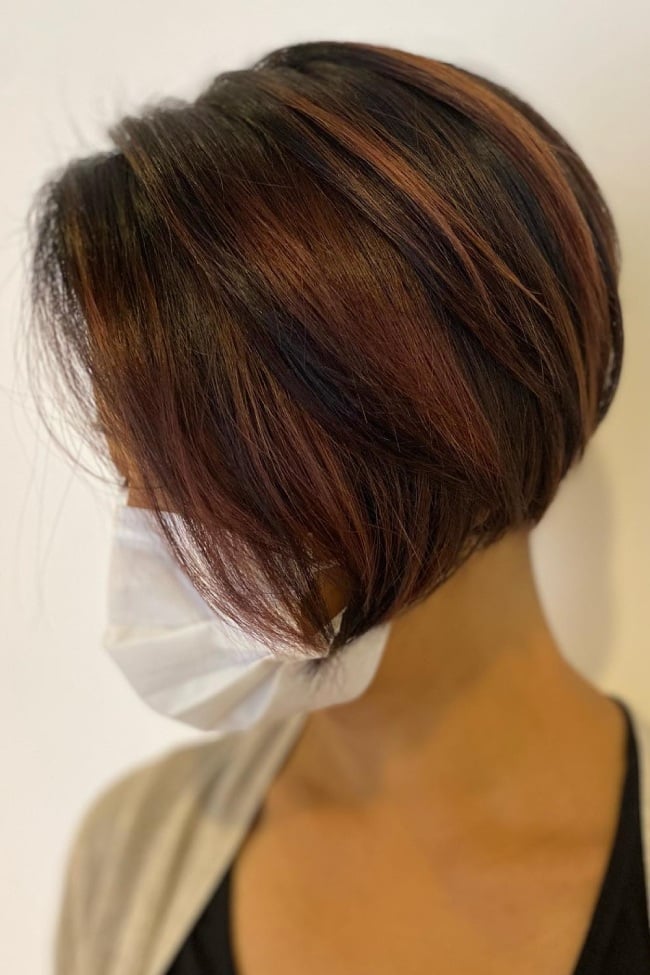
A stacked bob and copper highlights sounds like a salon risk, but it works because the cut does the shaping and the color stays subtle. The dark brown base keeps the copper from looking costume. Fine, straight texture is the ideal canvas. The stacked shape adds volume at the back, and the side parting shifts the weight forward. The catch: this is a salon-leaning technique, not a box dye job. The bob needs trimming every four to six weeks, and the copper pieces require a color-safe shampoo to avoid fading warm.
Dark brown with subtle auburn highlights
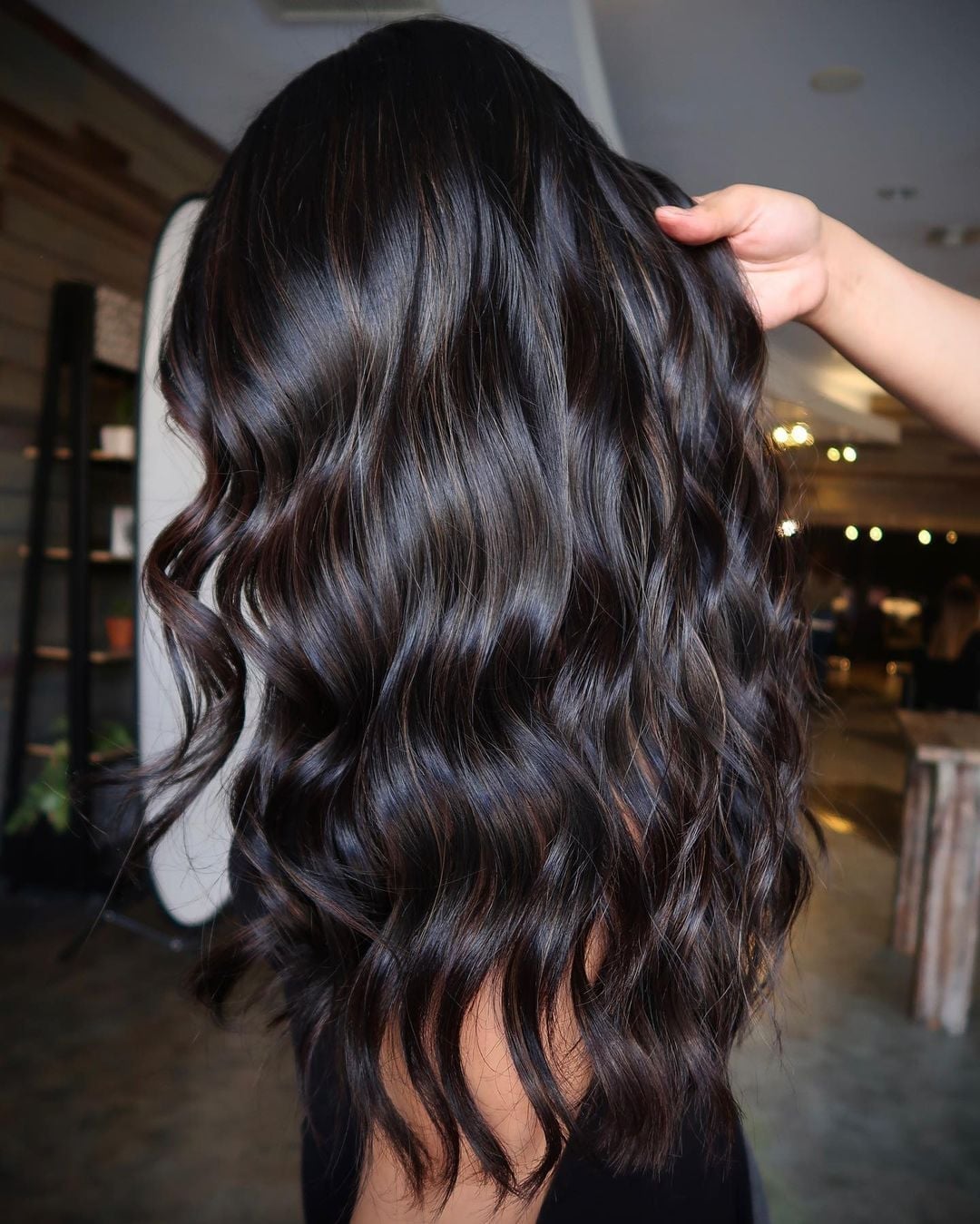
Thick, wavy hair in a dark brown base gets a warmth injection from subtle auburn highlights that look dimensional, not fiery. The highlights are woven through the lengths, leaving the root area deeper, which is how a lived-in grow out works. The wavy styling is not accidental here, the texture is what lets the auburn pieces catch light at different angles instead of lying flat in a single stripe. Skip this if you prefer cooler tones or a very sleek, straight finish that would compress the color variation into fewer visible strands. A side view shows how the auburn looks a natural shift rather than a contrast stripe.
Ask your colorist for: dark brown base, subtle auburn highlights, wavy styling. Thick hair holds this kind of wave without needing a full hot tool set, a texturizing spray and air-drying can get you most of the way there. The auburn tone stays subtle enough that brassiness is minimal, but a color-depositing conditioner in a warm copper keeps it from fading flat over the month.
Glossy waves with subtle caramel highlights
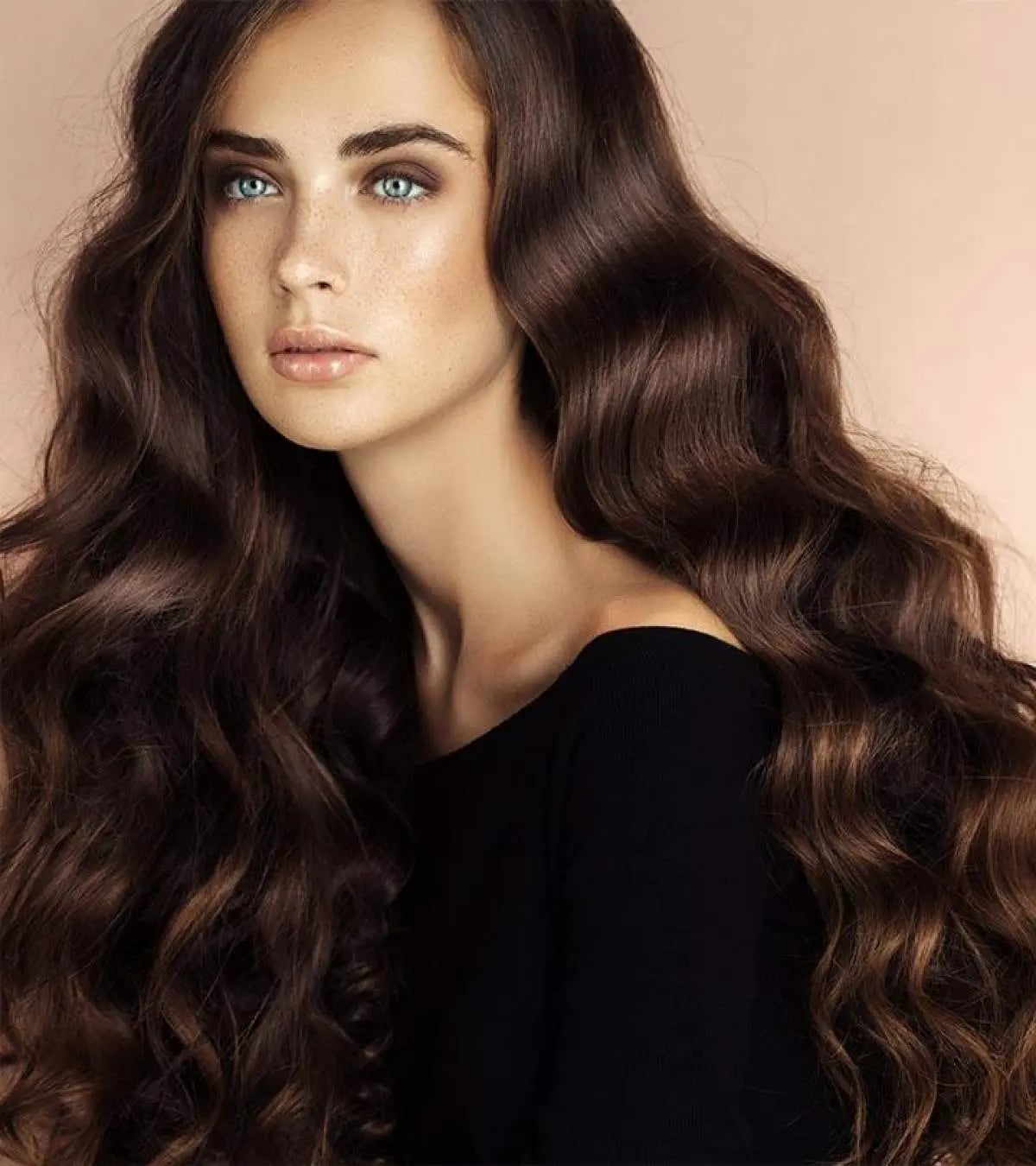
That is the sentence you hand to your colorist, no further explanation needed. The caramel sits fine enough to add warmth without looking a separate color block, and the side parting stacks those lighter pieces on one side where they do the most visible work. The glossy finish is a separate step, a clear gloss treatment at the bowl locks the shine in for the first three weeks. Thick, wavy hair holds the volume of a blowout longer than fine texture would, so the shape still reads at hour eight. Not for a middle part or a sleek, straight finish, the whole point is the wave catching the lighter strands.
Air-dried straight hair with subtle caramel highlights
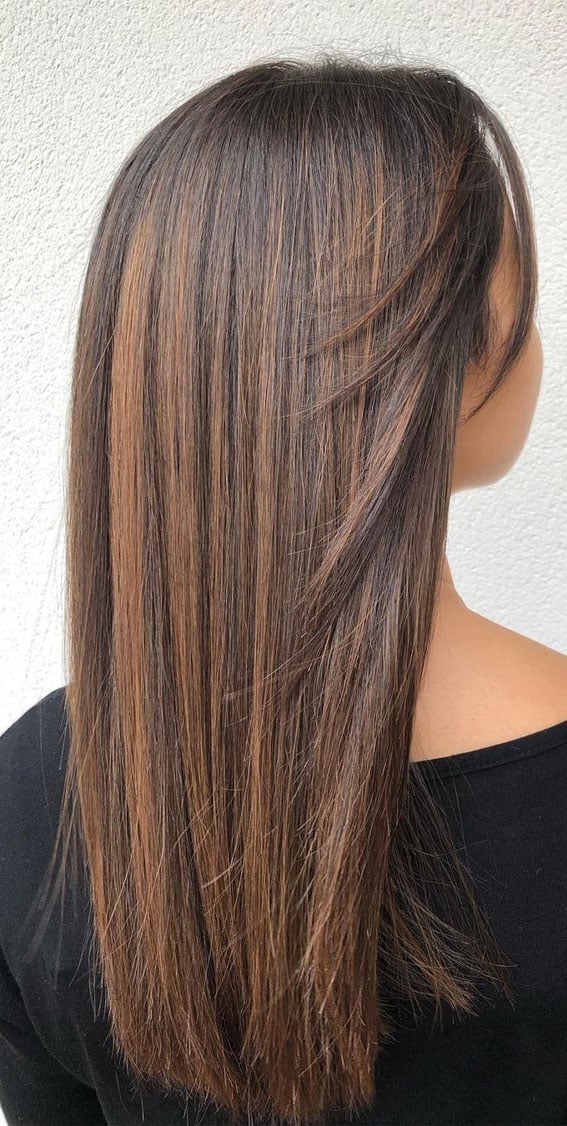
Air-dried hair cuts styling time in half, but only if the color is placed right. A side part and dark brown base keep things grounded while subtle caramel highlights are woven through the lengths. Fine, straight hair gets movement from soft layers without needing heat. Smoothing cream on damp hair controls flyaways. Skip this finish if you prefer the volume of a blowout or waves. The caramel tones stay subtle, so you can stretch toning to every ten weeks. Tell your colorist: dark brown base, subtle caramel highlights, soft layers.
Curtain bangs with face-framing caramel highlights
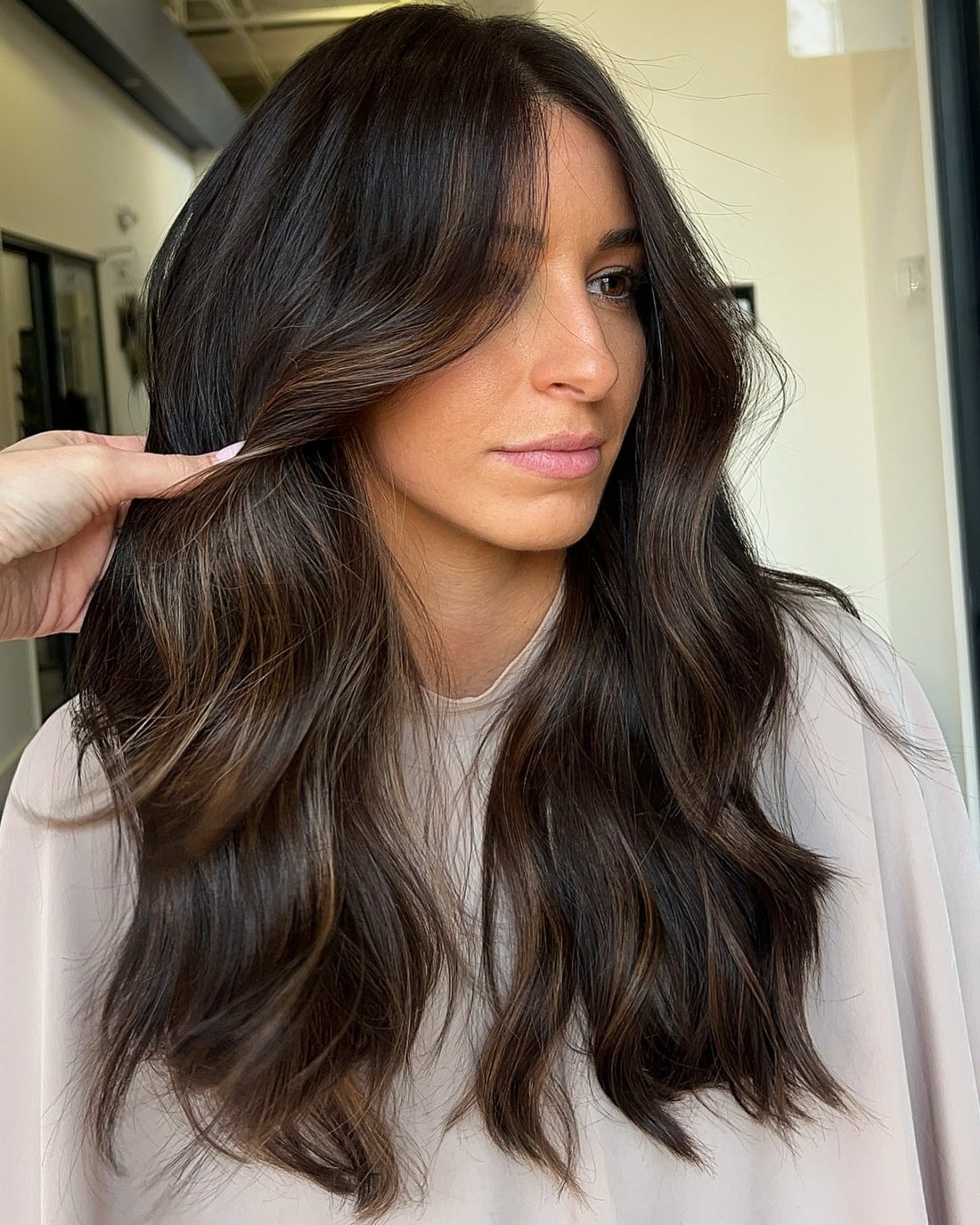
Curtain bangs and face-framing caramel highlights work as a system, not separate requests. The dark brown base grounds the look while the caramel pieces hit right around the cheekbones. Thick, wavy texture holds the shape of a blowout longer than fine hair would. The layered cut keeps the bangs from blending into the rest of the hair.
The side part lets the bangs fall naturally to each side. Skip this combination if you want a blunt fringe or have fine hair that struggles to support both layers and bangs. The effect relies on contrast between the base and the lighter pieces around the face.
Medium brown with subtle caramel highlights and bangs, wavy
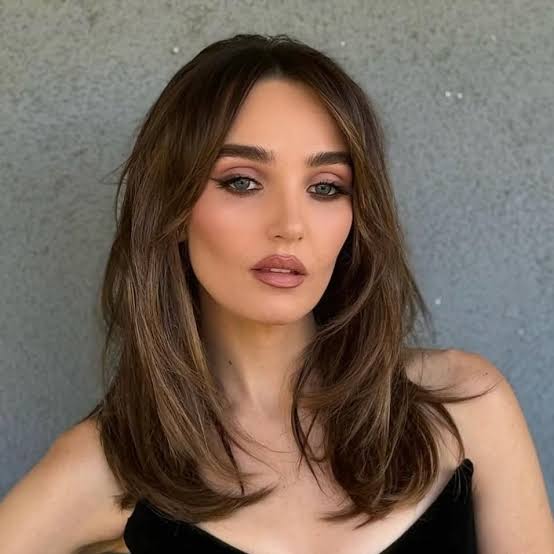
Blowout styling on a medium brown base with subtle caramel highlights means the waves catch light differently throughout the day. The middle part and curtain bangs frame the face without requiring daily heat work. Thick, wavy texture holds the shape, so you can refresh with dry shampoo instead of a full restyle. The highlights stay subtle, which means less obvious regrowth. Ask your colorist for: medium brown base, subtle caramel highlights, curtain bangs. Skip this if you air-dry everything or have fine hair that flattens easily.
Braids framing the face on dark brown hair
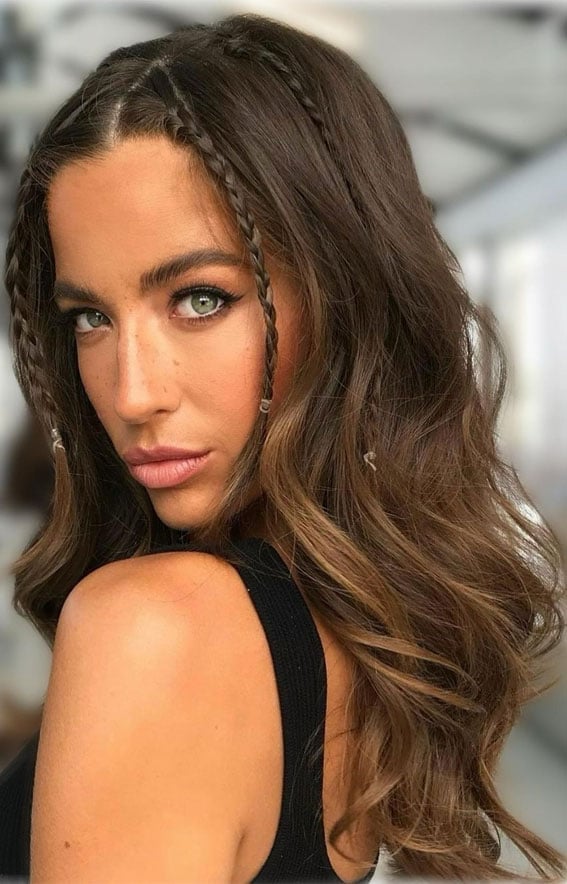
Small braids along the hairline add a detail that changes the whole feel of dark brown hair. The middle part keeps the look balanced while subtle caramel highlights woven through the lengths add depth without competing with the braids. Thick, wavy texture holds the braids in place better than fine or straight hair. This is a style for someone who likes to accessorize without adding clips or pins.
Pass when you prefer a simple wash-and-go routine. The braids take time to section and secure, and they last about two days before needing redoing. The highlights stay subtle enough that you can go twelve weeks between toning sessions. The interplay between the braids and the waves gives the style a relaxed finish.
Dark brown with ash blonde highlights and waves
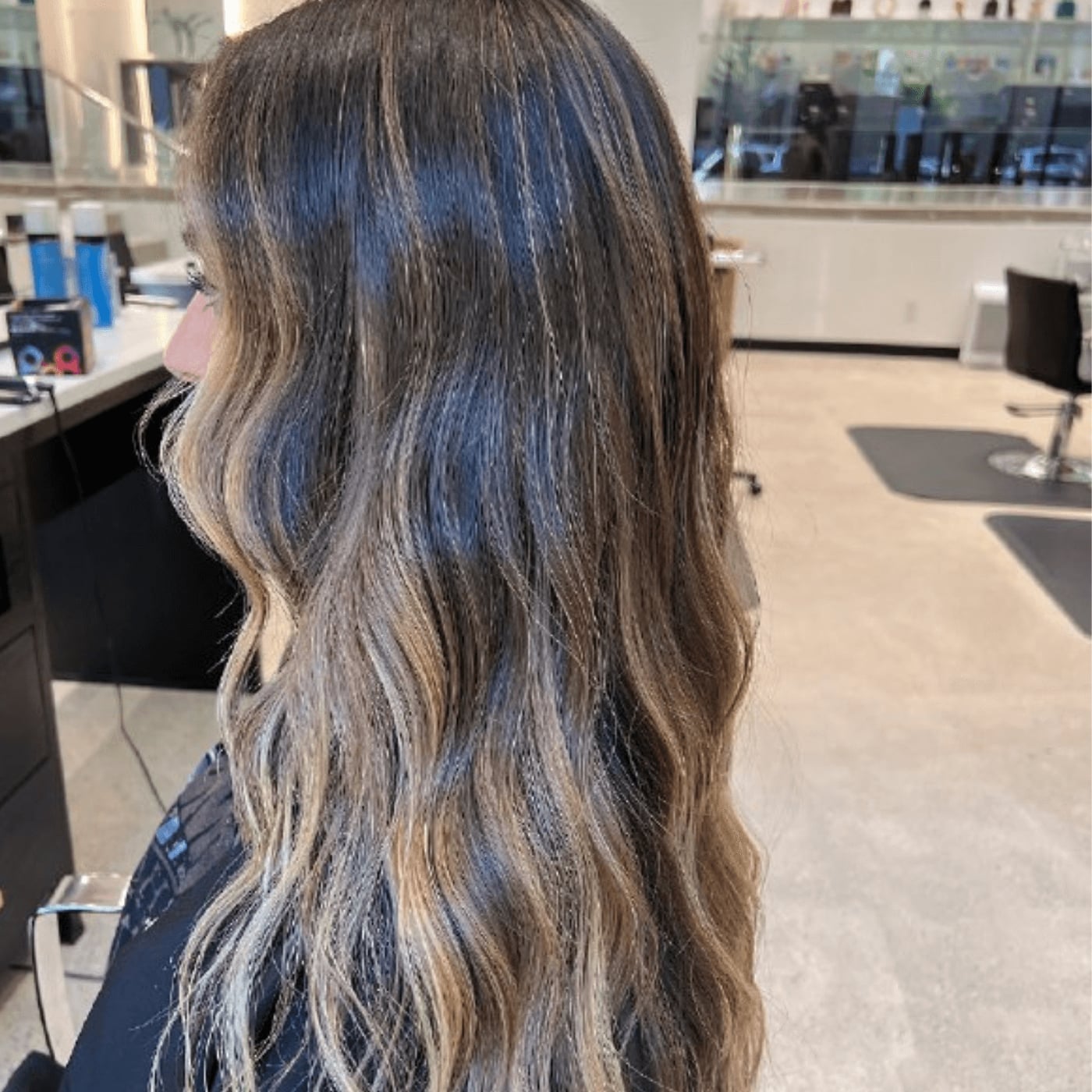
A side part shifts the weight of a layered cut, and ash blonde highlights on a dark brown base create the contrast that makes the technique read. The waves add texture without needing a full curl set. Thick hair holds the shape of a blowout longer than fine hair would. The ash tone in the highlights keeps the look cool against the warm brown base. Ask your colorist for: dark brown base, subtle ash blonde highlights, layered cut, side part.
The layers fall around the collarbone, which is a standard length for this kind of dimensional color work. The waves distribute the ash blonde pieces so they catch light at different angles. The side part creates a natural sweep that works with the layered shape.
Final Thoughts
The right highlight is the one you can live with between appointments.
- Fine hair: thinner, well-spaced foils to avoid a stripy look.
- Ten minutes in the morning: low-contrast caramel or ash tones need less styling.
- Cool base that pulls brassy: request a beige or ash toner at the sink.
- Wavy or curly texture: balayage keeps the hand-painted effect visible.
Find the highlight shade that best complements your brown base.
