

You are scrolling past another honey blonde and stopping because it looks warm without being brassy, dimensional without being busy. The grow-out line stays soft, and the tone works whether your natural base is light brown or dark blonde. That is the reason this shade keeps filling saved boards: it photographs well, styles easily, and does not demand a root-touch schedule that owns your calendar.
28 versions of Gorgeous Honey Blonde Hair 2027 cover the range from ash-toned to lighter, from a ten-minute air-dry to a neat blowout, and from fine hair that needs subtle highlights to thick hair that can carry bold dimension. Every look has one thing in common: the color does not fight your texture.
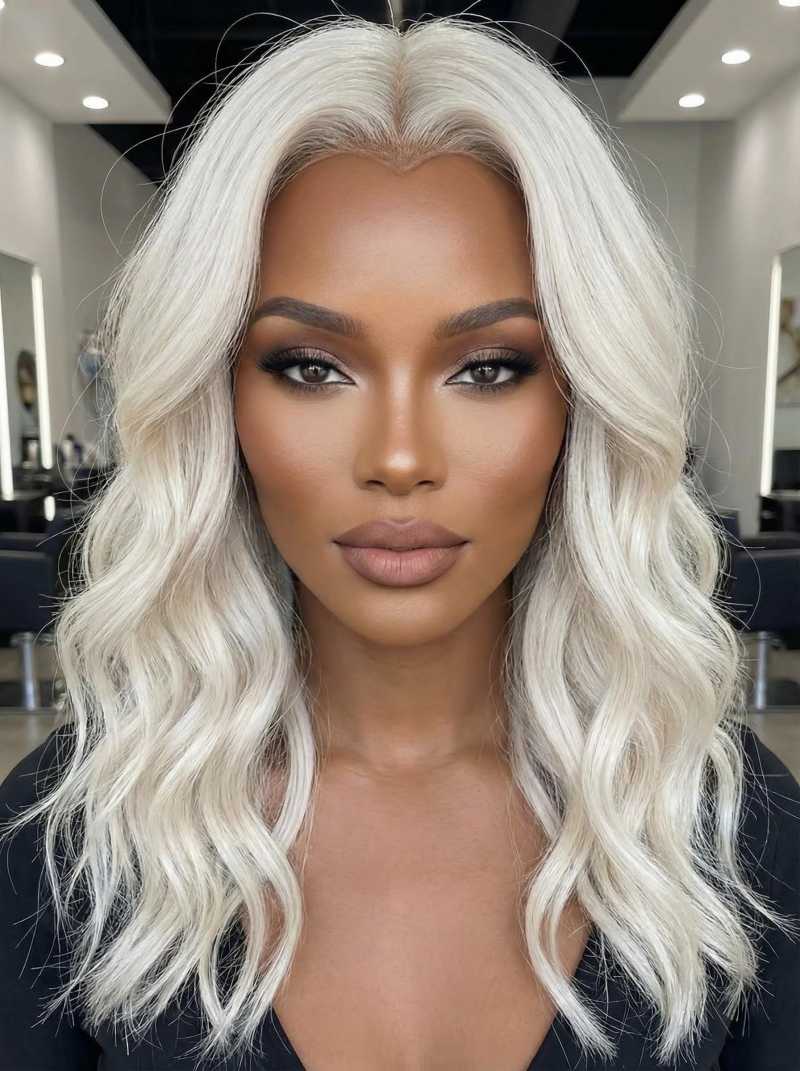
Ash blonde tone with soft layers and wavy blowout
Soft layers built into fine hair give a wavy blowout its lift without needing much product. The ash blonde tone looks platinum with a cool finish, which means the salon chair is your only real option. Ask your colorist for: ash blonde tone, soft layers. The catch: very coarse hair tends to swallow ash tones, so the color reads muddy instead of bright. A round brush and medium heat hold the wave shape for about two days before you reach for dry shampoo.
Natural dimension with subtle highlights in honey blonde
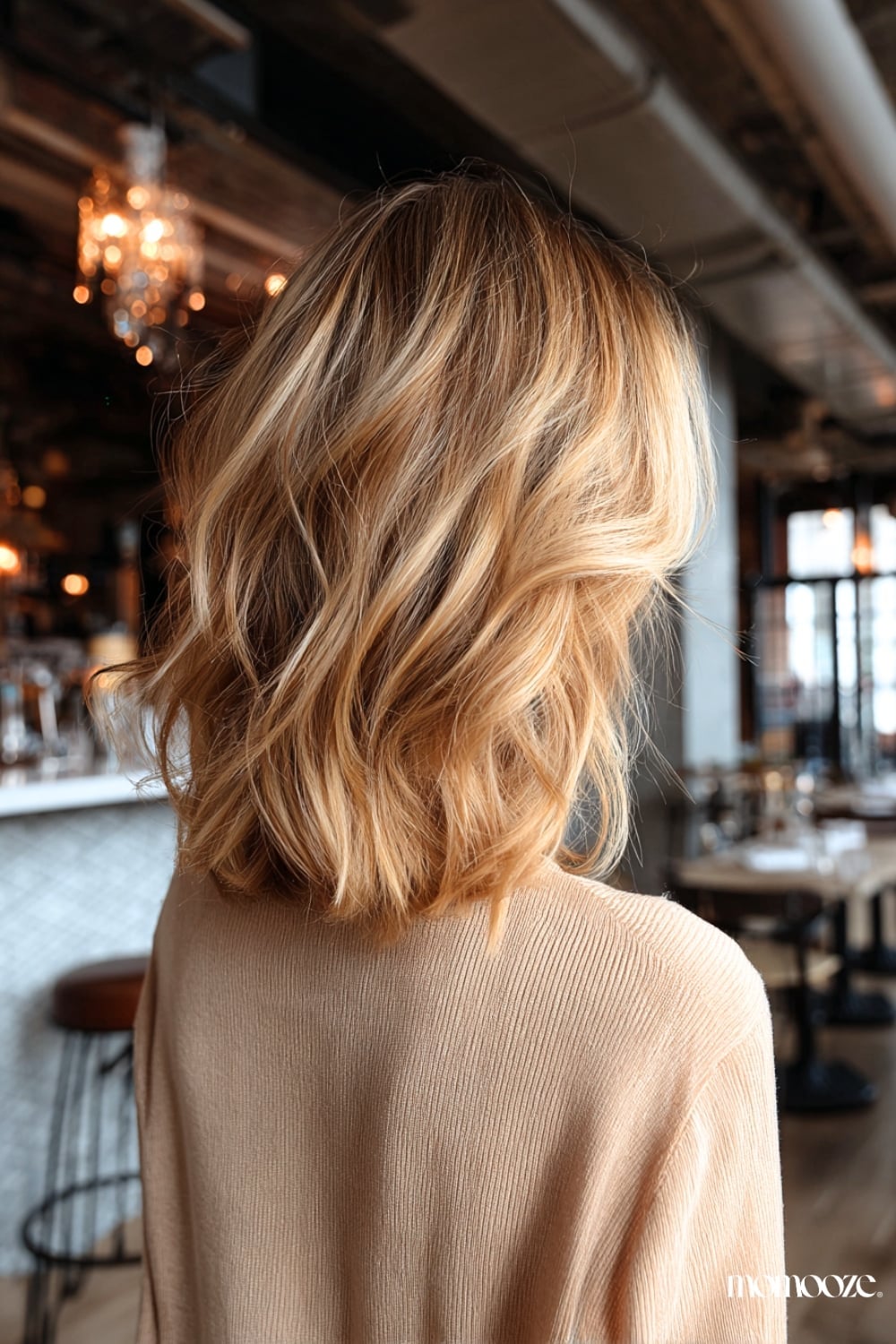
Bold color is a commitment. This one is the opposite. Subtle highlights woven through honey blonde create a natural dimension that grows out soft, so you can push the salon visit to eight or nine weeks. A sea salt spray and air-drying give the wavy texture without heat. Pass when you prefer a sleek, straight style, the layers look messy, not intentional, on pin-straight hair.
Honey blonde bob with face-framing curtain bangs
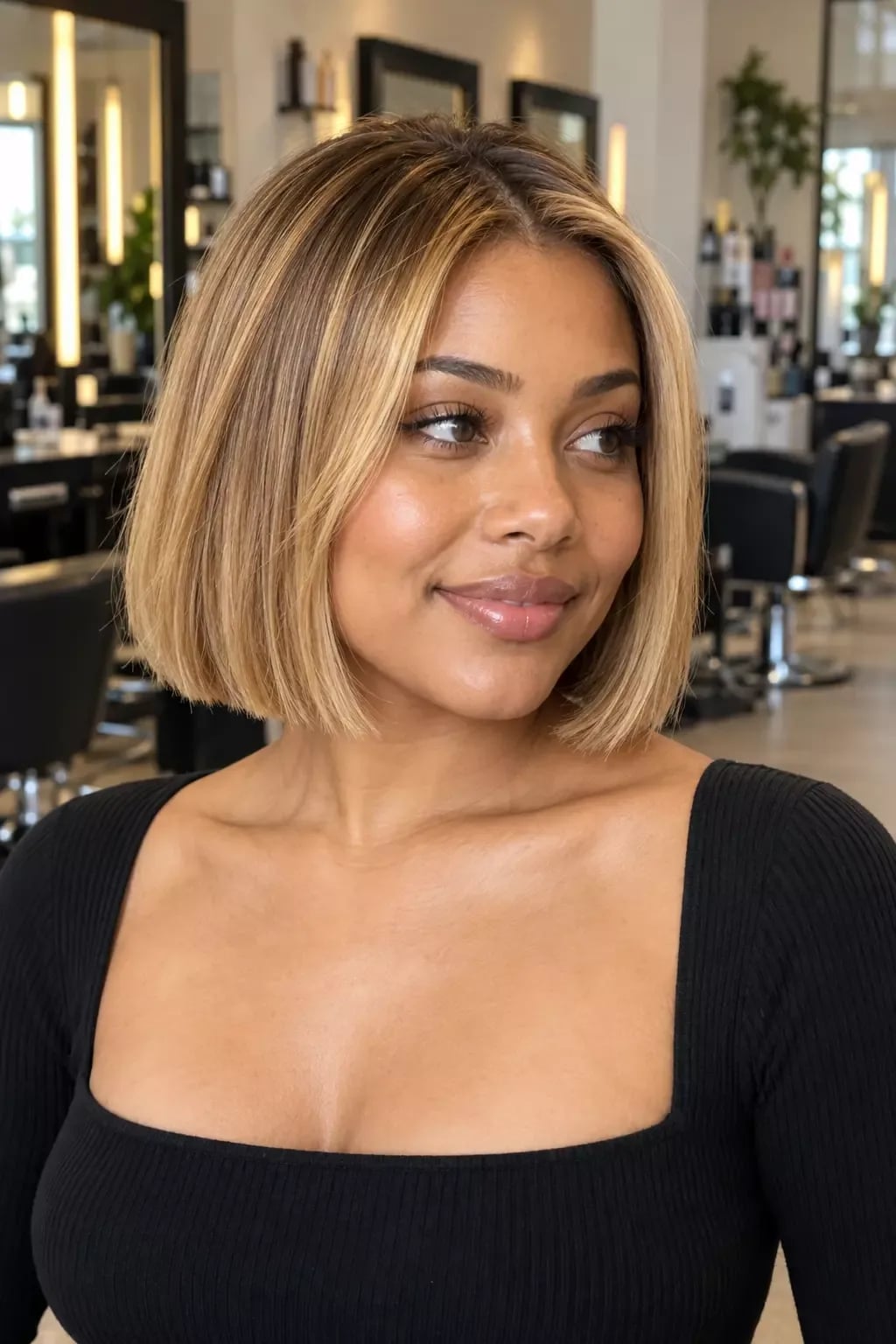
Does a bob work with curtain bangs? Yes, when the balayage technique keeps the honey blonde tone soft at the face. The middle part and fine, straight texture mean the bangs fall open naturally, which softens round and heart shapes. Request from your colorist: honey blonde bob, curtain bangs, balayage technique. A smooth blowout with a round brush takes about fifteen minutes. Skip it if daily bangs styling sounds like a chore.
Lighter honey blonde tone with soft waves
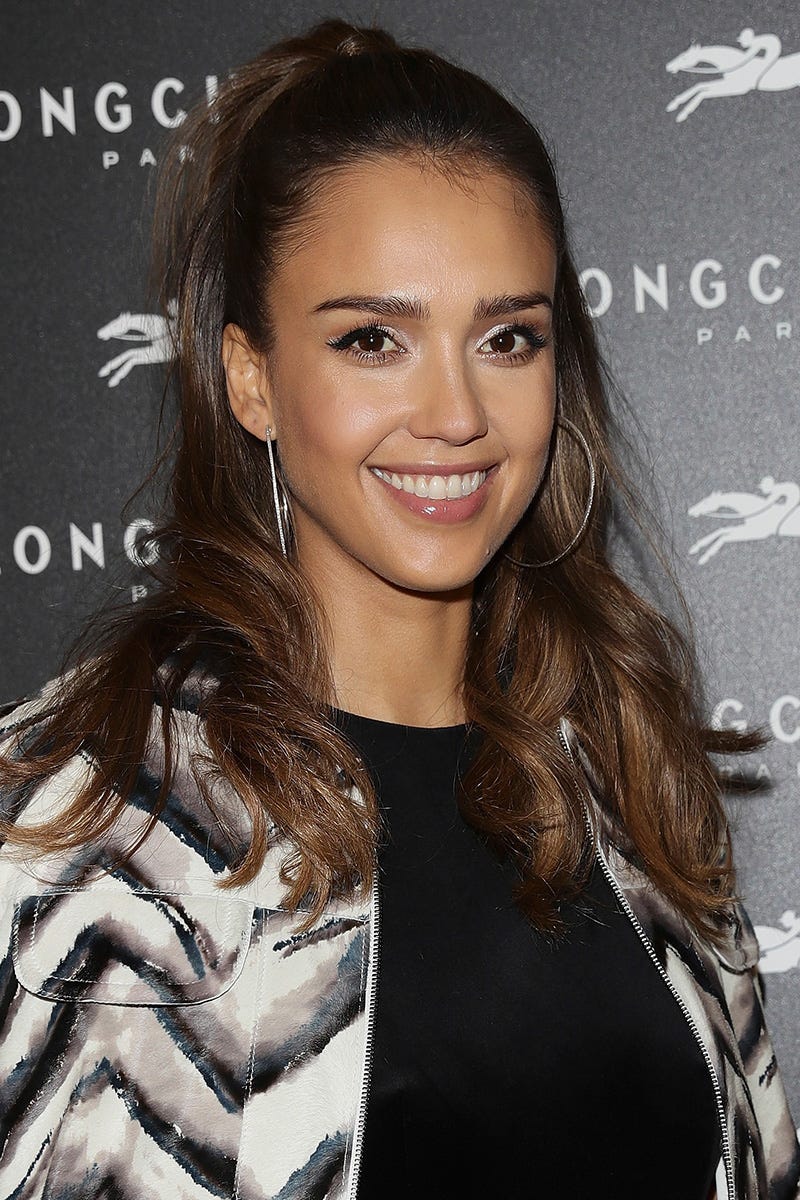
Highlights woven through thick, wavy hair create a lighter honey blonde tone that moves with the part. The middle part lets the lighter pieces fall evenly on both sides, so dimension reads from the front. A large-barrel curling iron or braiding damp hair overnight gives the shape without heat damage. Not for very fine hair that struggles to hold a wave past noon.
Two dimensional honey blonde highlights on wavy hair
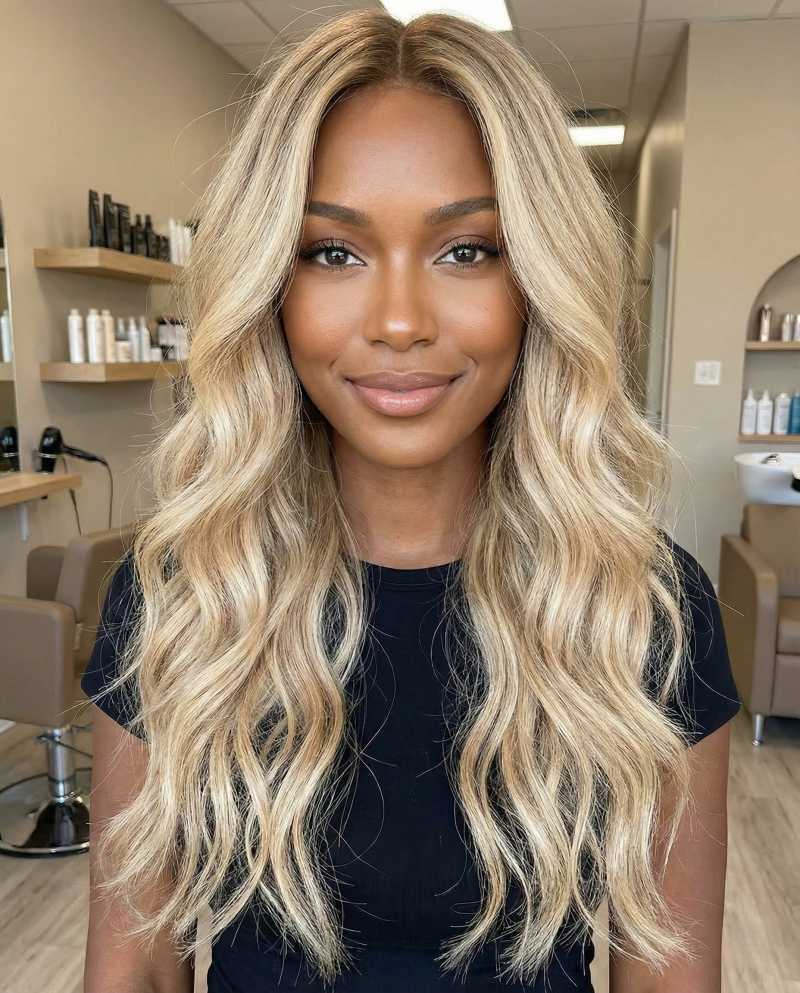
Two tones are at work here. Warm honey blonde forms the base, and lighter blonde highlights sit on top to lift the volume of the layered cut. The wavy texture carries the dimension through every section, so there is no flat zone at the crown. Request from your colorist: dimensional honey blonde highlights, layered cut. A volumizing mousse and a diffuser keep the waves defined. Skip it if a solid color is your preference.
Blonde hue with subtle highlights and soft blowout
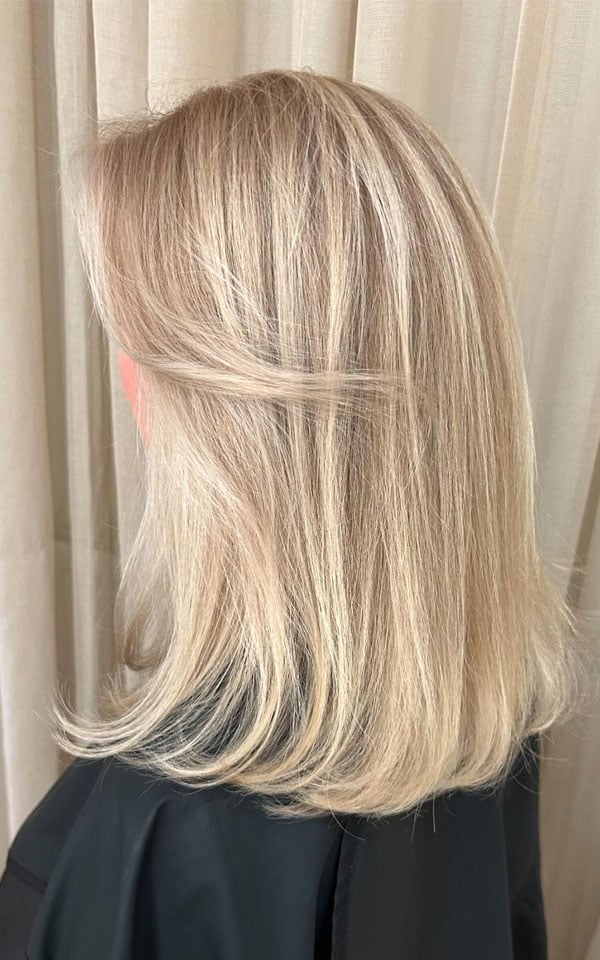
Between a solid blonde and a full highlight, this sits in the middle. The honey blonde base carries subtle blonde highlights woven through layers, caught in a soft blowout that lands wavy, not straight. Fine, wavy hair holds the shape best. A blunt cut or very curly hair does not suit this style. A root lifter and a large round brush get you there in about twenty minutes.
Face-framing blonde piece adds dimension to waves
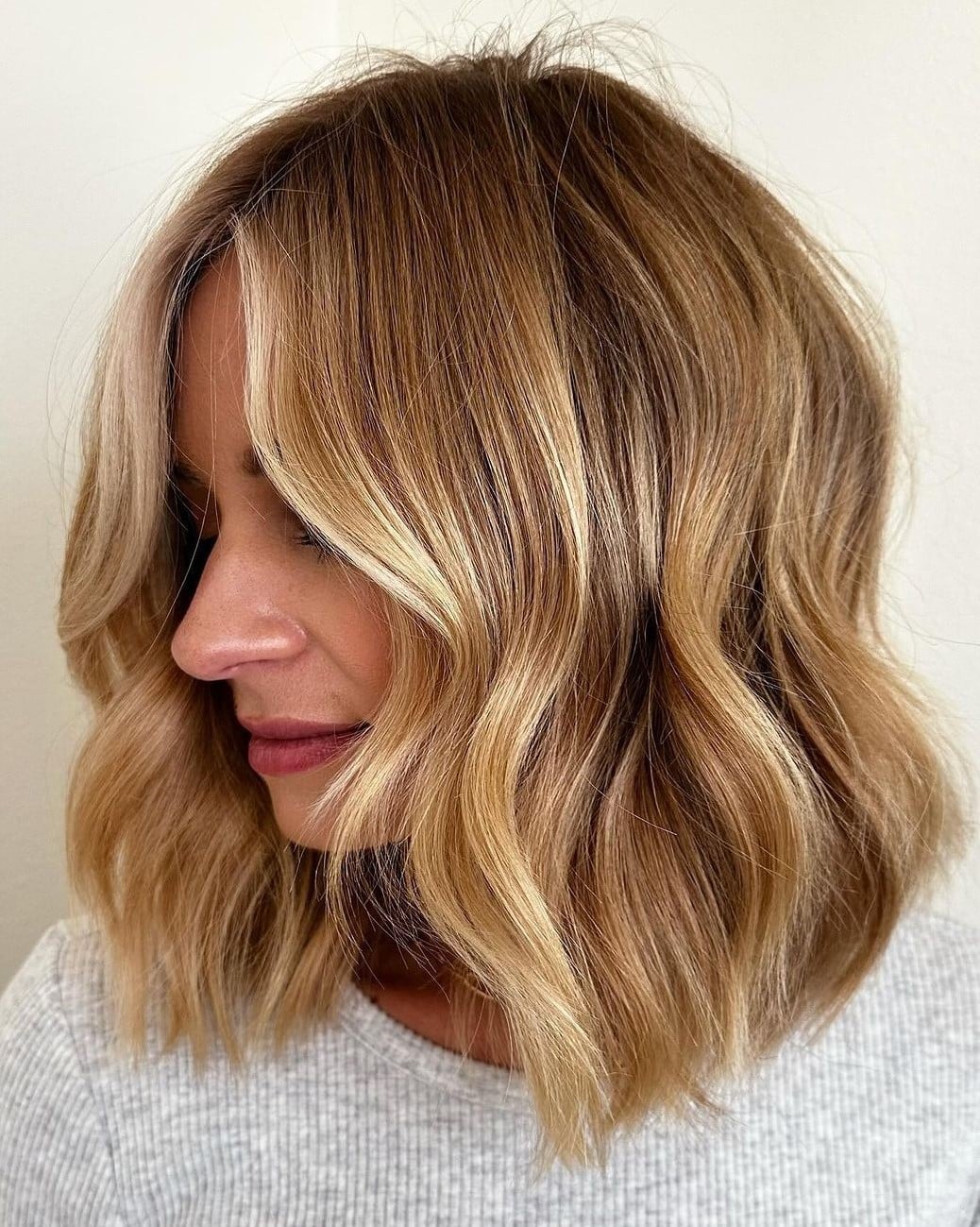
A single, brighter piece at the front changes the whole look. The honey blonde base stays soft while that face-framing blonde money piece catches the eye first. Wavy, textured hair with subtle layers carries it naturally. Not for anyone who dislikes a side part or a noticeable contrast at the root. Book it as: face-framing blonde money piece, subtle layers. The money piece needs blending every six to eight weeks, or it grows out as a stripe.
Voluminous blowout with face-framing layers and curtain bangs
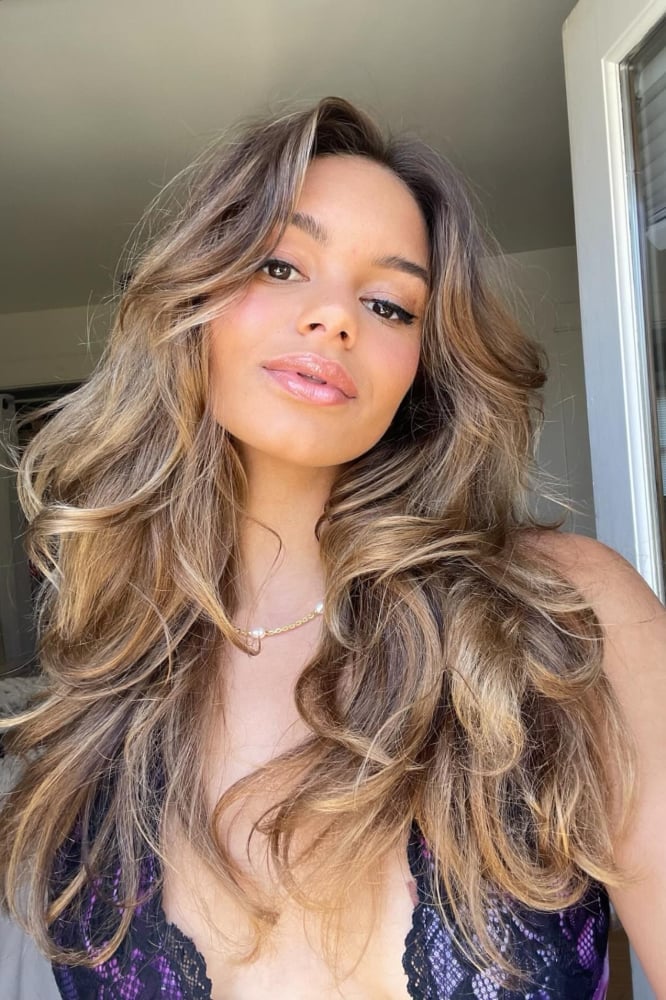
Can curtain bangs and volume work together? Yes, when the cut starts with face-framing layers and thick, wavy hair to support them. The honey blonde color gets subtle highlights, and the blowout lifts at the crown. Pass when hair is very fine or you cannot commit to styling bangs daily. Ask your stylist for: layered cut, curtain bangs, subtle highlights.
Soft curtain bangs with face-framing layers and loose waves
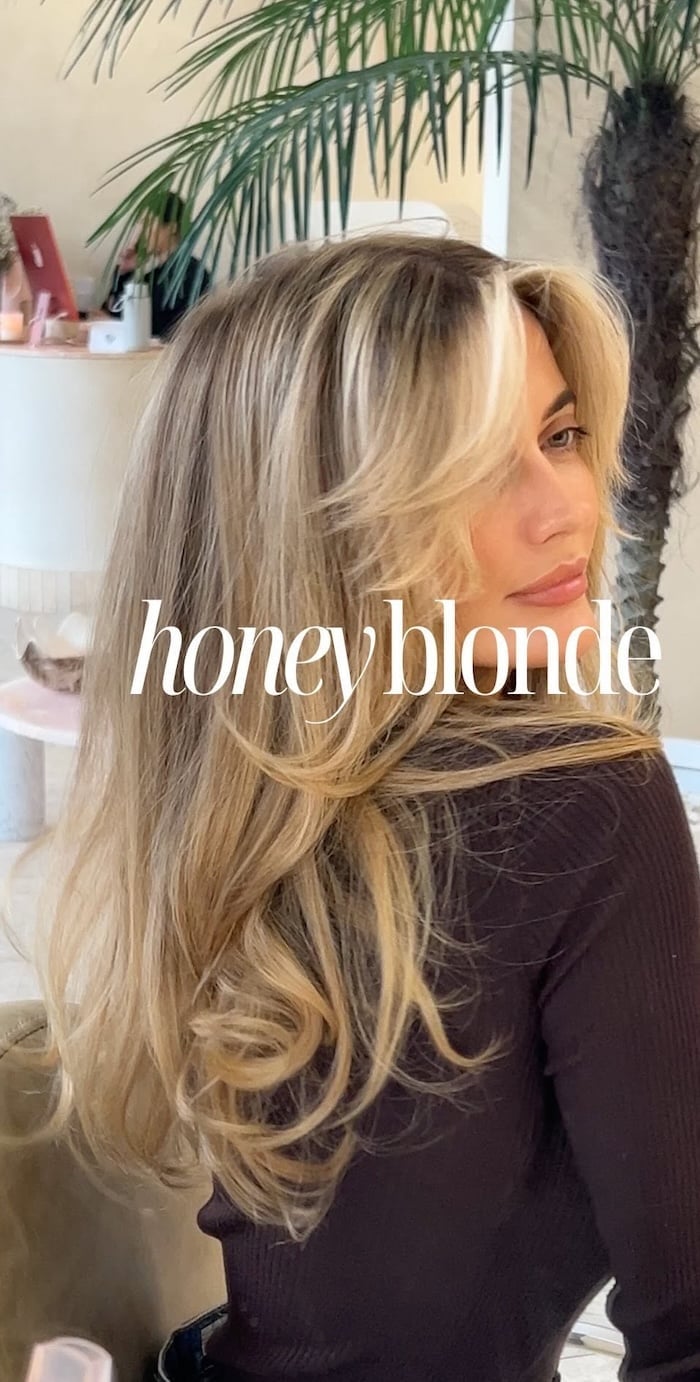
Fine, wavy hair takes the loose wave pattern well. The honey blonde base gets subtle blonde highlights for a lighter effect. Straight hair or a bang that stays out of your way requires a different cut.
Ash blonde shade with a subtle root shadow
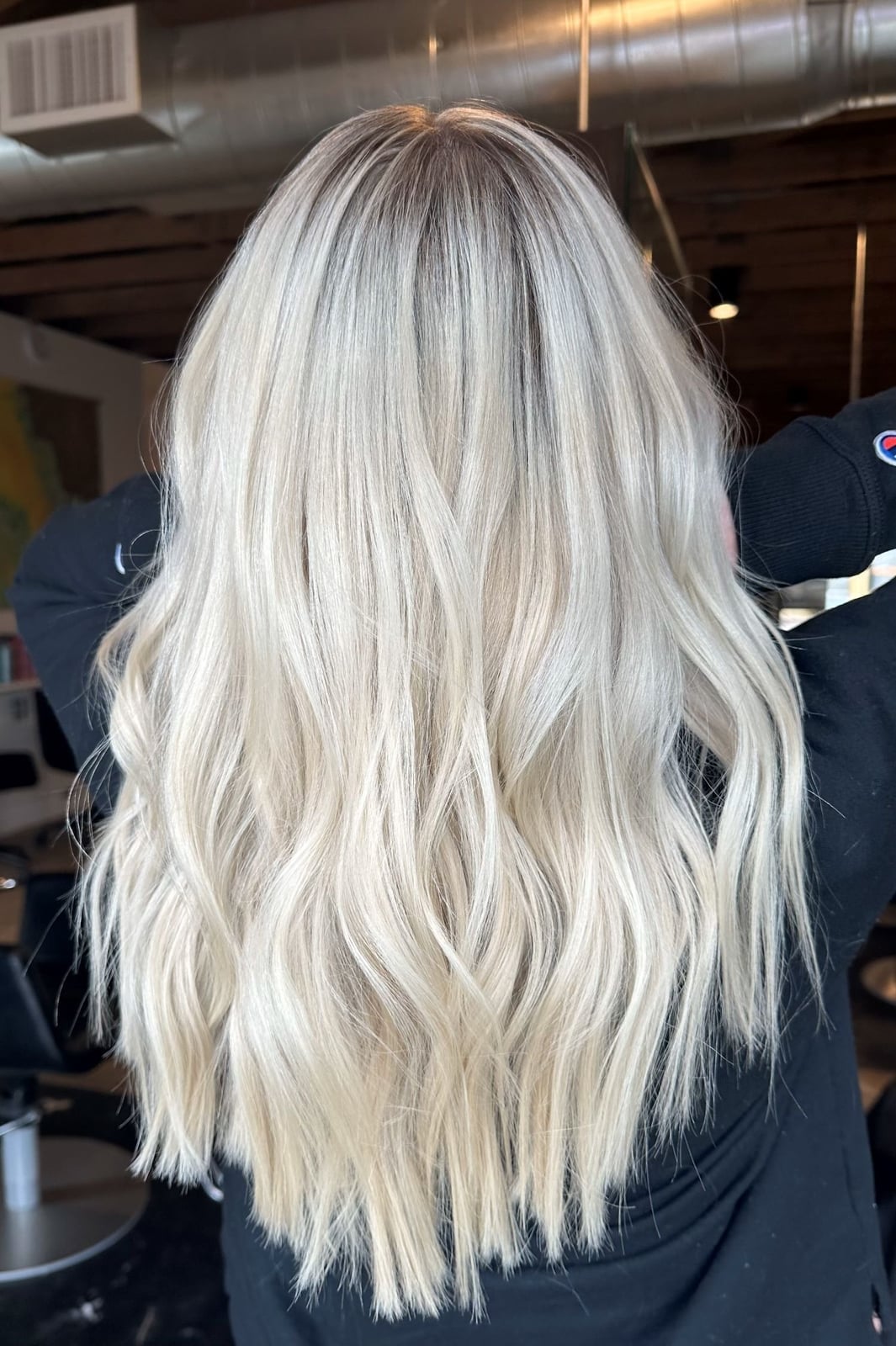
Ash blonde versus honey blonde: both are blonde, but ash sits cooler. Here the ash blonde shade meets a subtle root shadow that softens the grow-out. Fine, wavy hair with layers holds the wave pattern well. A warm, golden blonde or a solid color with no root depth would not suit this look. Tone every six to eight weeks to keep the ash from turning muddy.
Long layered cut with curtain bangs and honey blonde tone
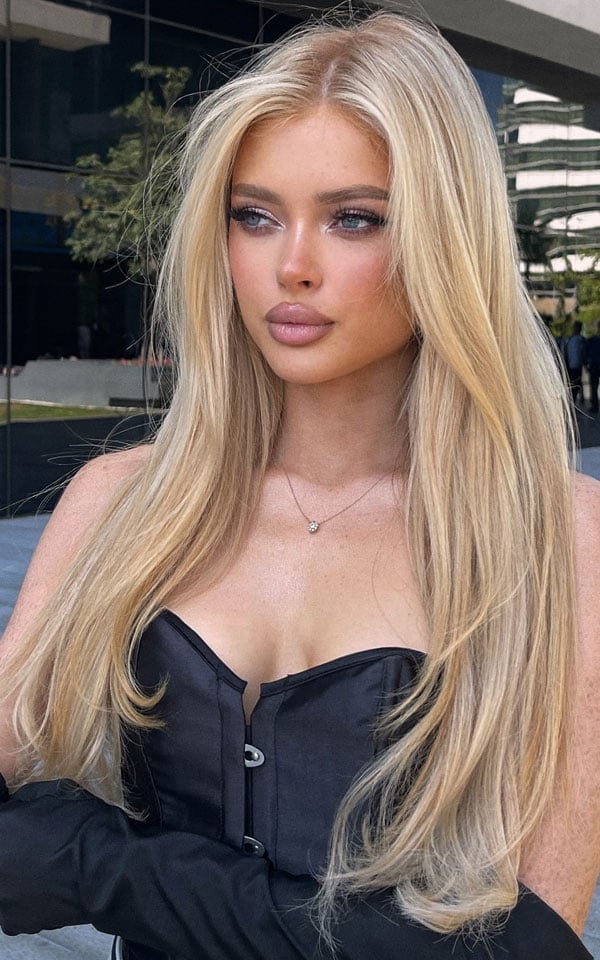
Curtain bangs that start at the cheekbone and sweep outward demand a cut that moves with them. Fine, wavy hair holds this shape best because the layers stack without adding bulk. The honey blonde tone stays warm and dimensional through subtle highlights woven into the mids and ends. Tell your stylist: long layered cut, curtain bangs, honey blonde highlights. Air-dried texture needs a lightweight leave-in and a quarter-size of curl cream, then you walk away. Bangs need a trim at four weeks; the layers hold until eight.
Curtain bangs still require a quick dry and a brush forward, even on low-effort days. The middle part works with round and heart shapes because the bangs soften a wider forehead. This cut is not for anyone who prefers to keep hair off their face entirely.
When you want dark roots with honey blonde balayage
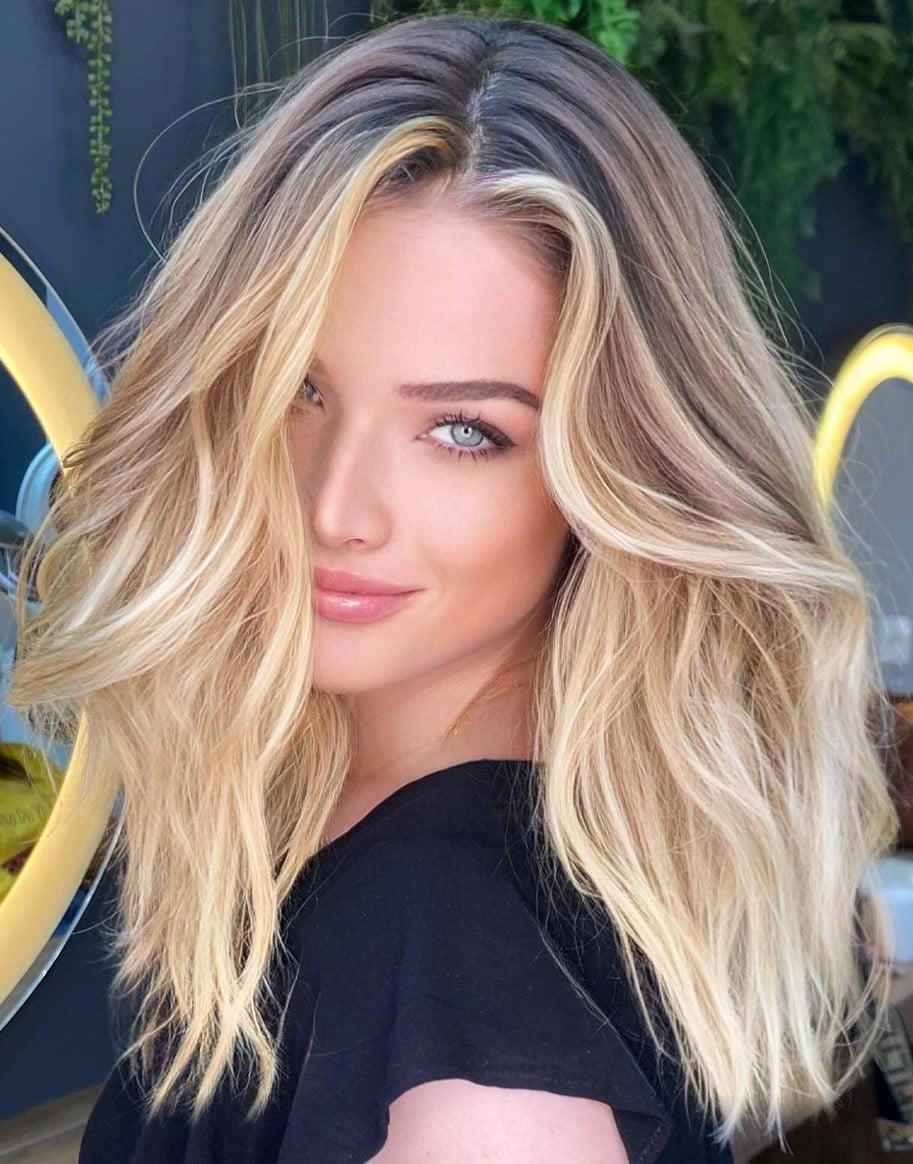
Dark roots that blend upward into warm honey blonde create a grow-out that looks deliberate rather than overdue. The face-framing highlights pull the lighter end of the gradient forward, so the color reads brighter around the jaw. Fine, wavy hair styled in soft waves benefits from the contrast; the dark root adds depth while the blonde keeps it from falling flat. Balayage touch-ups land at ten to twelve weeks, not six. A medium-barrel iron set to low heat gives you the wave pattern that lets the gradient show.
Pass when you prefer a solid, single-process color. The two-toned effect requires a colorist who paints by hand, not a bowl-and-brush foil service. Most face shapes suit a middle part here because the dark-to-light transition creates vertical length.
Balayage technique blends darker roots into lighter ends
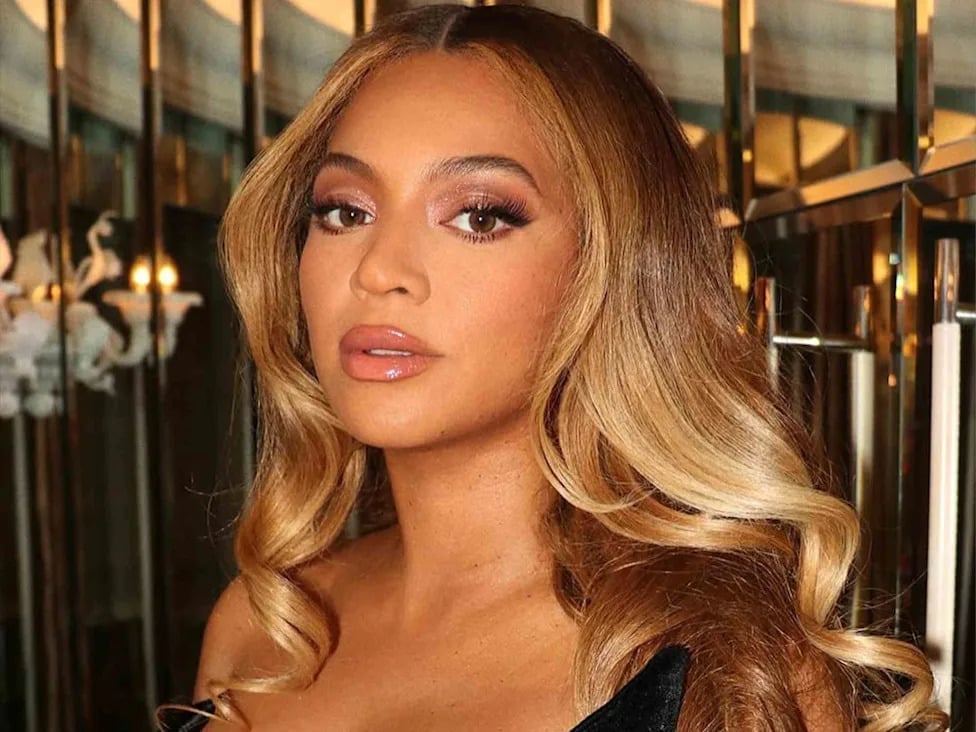
The hand-painted technique means the color graduates from a deeper root into lighter ends without a hard line. Thick, wavy hair gives the balayage room to spread, so each wave catches a different shade of honey. The voluminous blowout adds lift at the crown, which makes the lighter ends look the focal point. This is a salon-only process: three hours, a bowl of lightener, and a colorist who knows where to stop the brush. Fine hair can look weighed down here; the density matters.
Dimensional lighter effect with face-framing layers
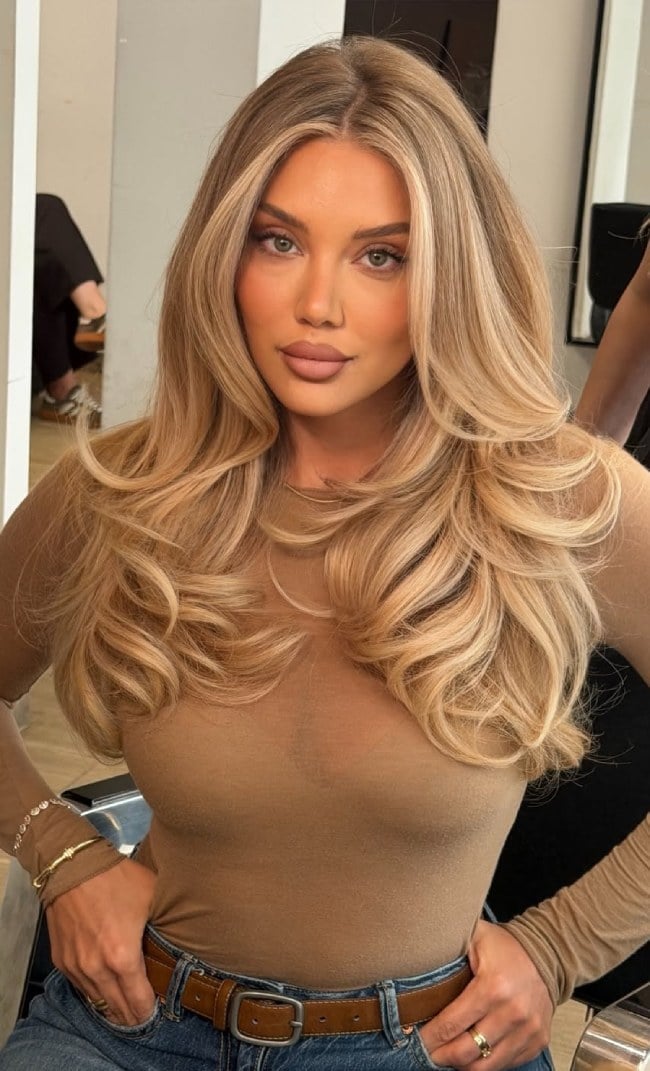
Face-framing layers that start at the chin give the lighter effect a structure that a solid blunt cut cannot. The warm honey blonde base carries subtle blonde highlights painted only on the top sections, so the color reads brighter where the light hits. Thick, wavy hair takes the voluminous blowout well because the layers release weight without losing shape. The catch: this look lands best in late spring through early fall, when natural light is strong enough to pull the dimension forward. Square and oval faces soften with the layering at the jaw. This technique requires a single all-over blonde with no variation.
Air-dried waves offer a natural, dimensional look
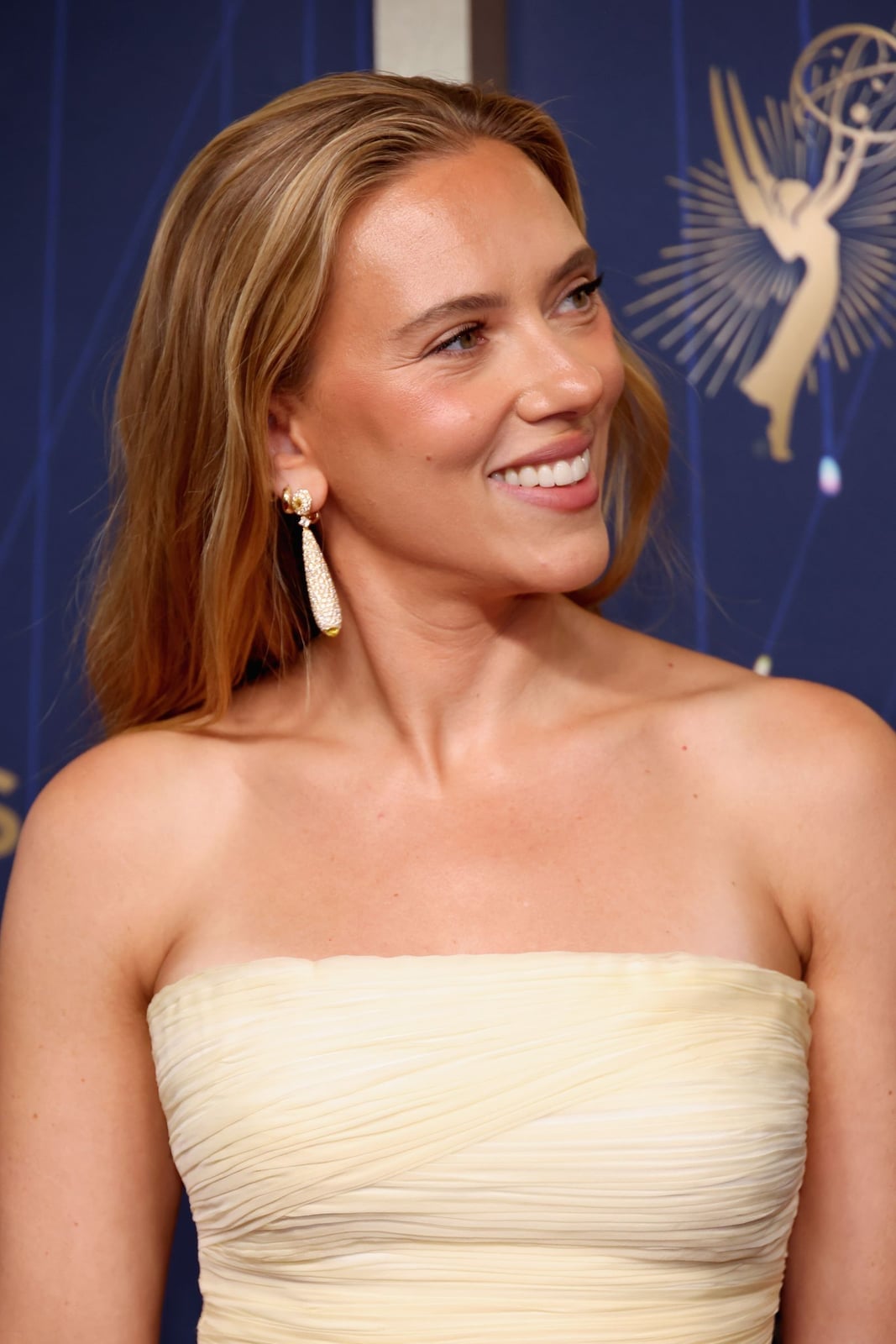
Subtle honey blonde highlights scattered through fine, wavy hair create a warm dimensional effect that air-drying does not flatten. The side part shifts the weight, so the lighter pieces fall forward instead of spreading evenly. This suits anyone whose hair holds a wave without heat and who prefers a ten-minute routine. Request from your colorist: subtle honey blonde highlights, air-dried waves. The highlights sit close to the base color, so the grow-out is gradual and the toning appointment lands at eight weeks, not four. Not for anyone who needs a neat, frizz-free finish; air-dried texture has a natural bend that some call messy.
Neat blowout with dimensional honey blonde highlights
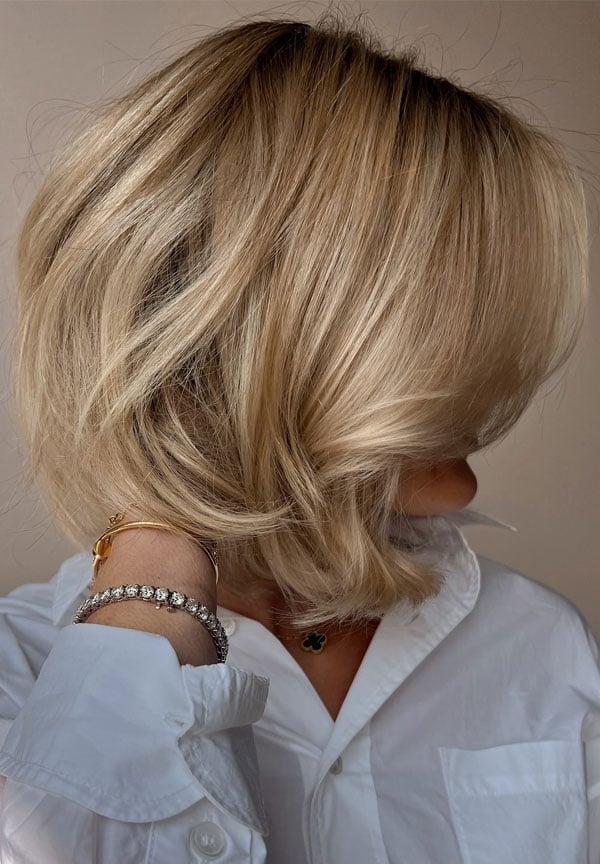
Highlights woven through a honey blonde base create a warm tone that shifts with the light. The middle part and soft layers keep the color balanced, so no section reads heavier than another. Fine, wavy hair takes this blowout well because the texture holds the shape without needing much product. Skip it if you prefer an air-dried finish or a very bold color.
Textured wavy finish with face-framing layers and curtain bangs
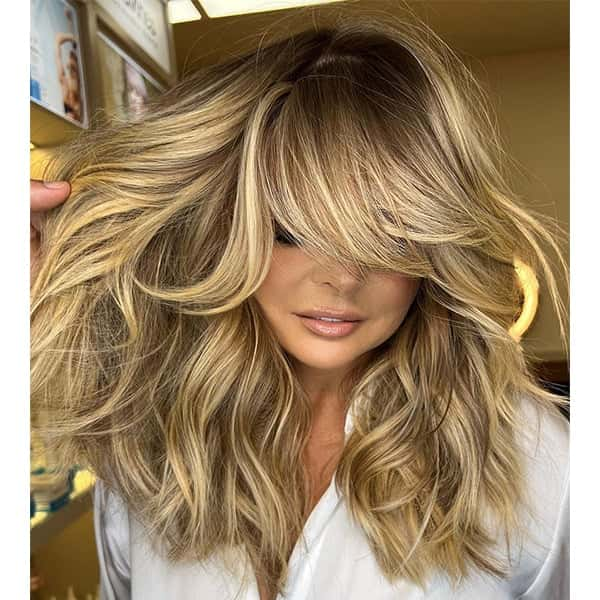
Not every blowout that says voluminous actually delivers. This one does because the cut starts with face-framing layers and curtain bangs that sweep out from a middle part, and the thick, wavy texture holds the lift. The honey blonde base gets distinct lighter blonde highlights throughout, so the color moves with the wave pattern rather than sitting flat. Request from your colorist: face-framing layers, curtain bangs, honey blonde highlights. Skip it if your hair is very fine or you dislike styling bangs in the morning. Curtain bangs need a trim every four to six weeks to keep their sweep.
Dark brown base with honey blonde balayage in a half updo
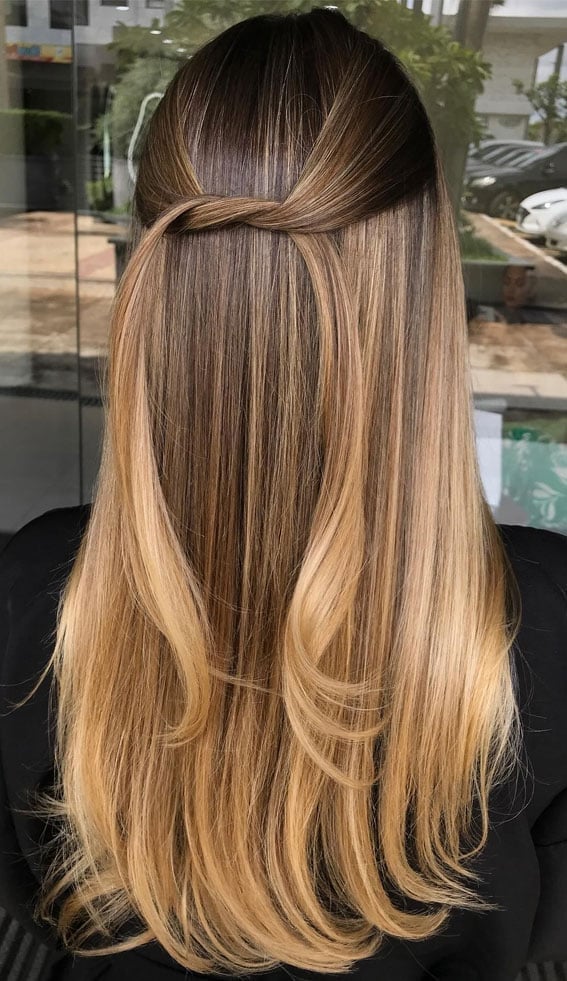
The back view here is the honest view. A dark brown base transitions into honey blonde balayage, and the twisted half updo pulls that gradient into focus. Long, straight, fine strands show the color graduation clearly because there is no wave pattern to scatter the light. The balayage grows out soft, so you can push the visit to nine or ten weeks without a hard root line. A texture spray at the twist keeps the hold without stiffness.
Radiant finish with lighter balayage highlights
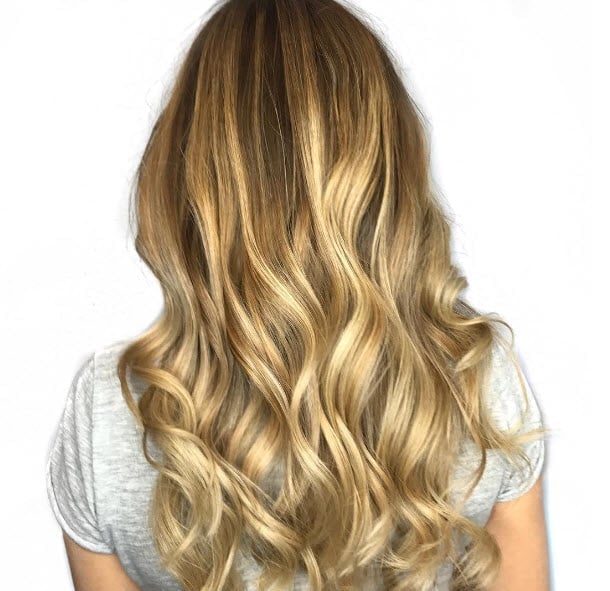
Air-dried texture relies on the color to do the work. Here the balayage technique places lighter highlights that hit the surface of thick, wavy hair, so each wave gets its own pocket of warmth. The centered parting keeps the lighter pieces balanced, and the layers prevent the ends from weighing down the movement. Request from your colorist for: lighter balayage highlights, layered cut. A texturizing spray at the mid-lengths keeps the wave pattern without crunch. Toning every eight weeks maintains the warm finish.
Wavy style has highlights creating a natural dimension
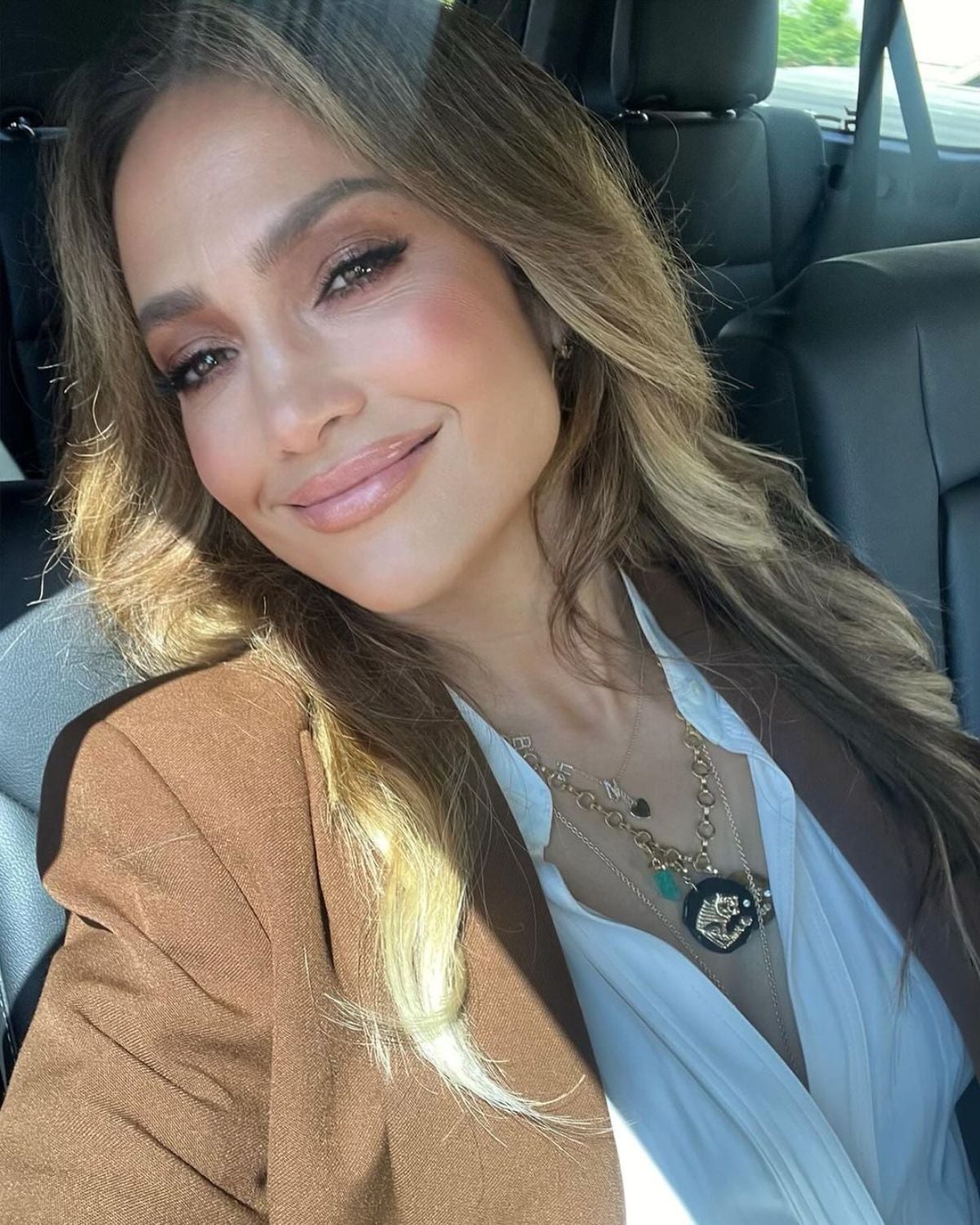
A warm honey blonde base reads flat without contrast. Blonde highlights woven through the layers fix that. The middle part splits the color evenly, so dimension shows from the front without a side-swept disguise. Thick, wavy hair accepts the lighter pieces without turning brassy, provided the toner is refreshed at week eight. The waves do the work here.
Two dimensional highlights with soft face-framing layers
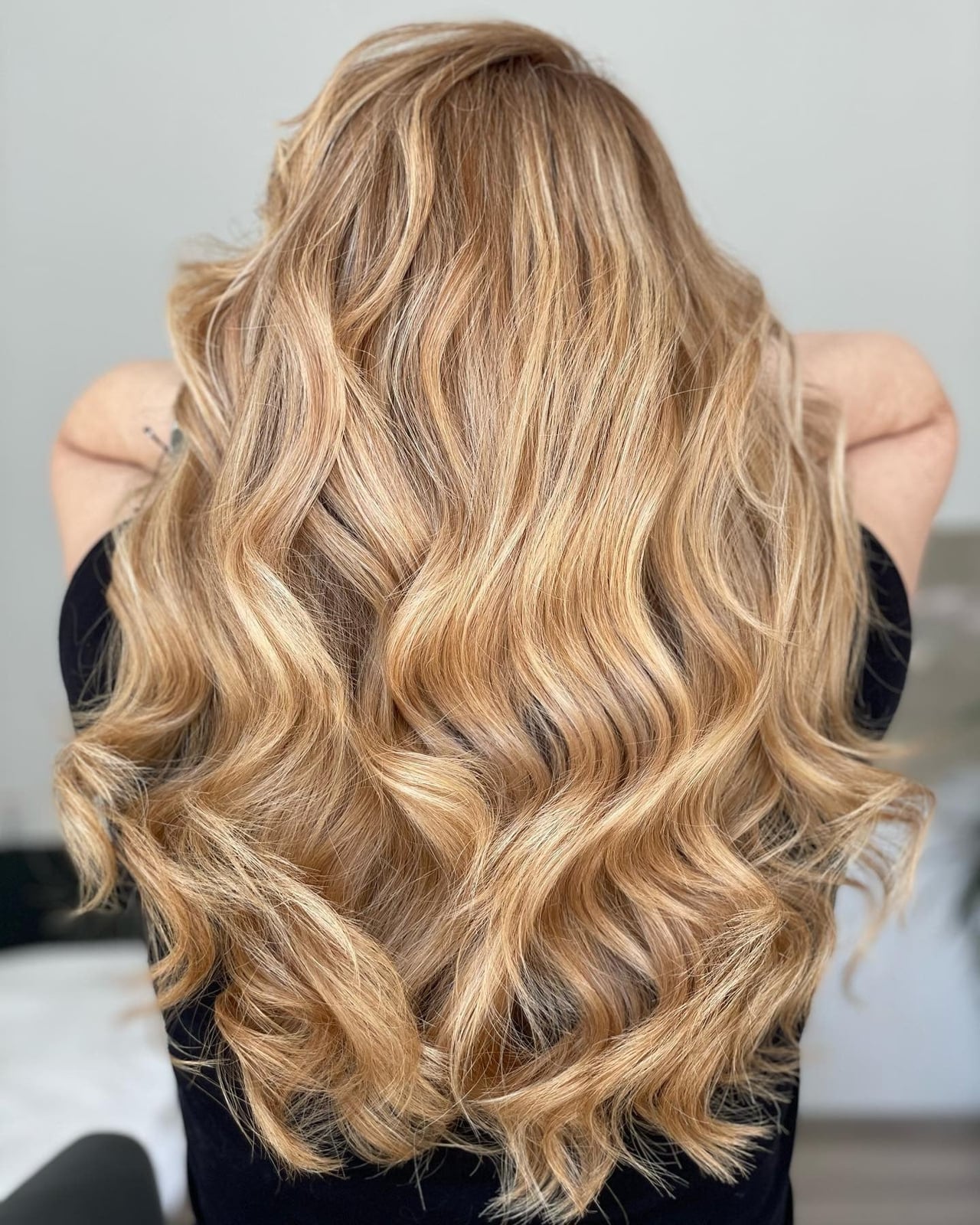
Balayage places color where light naturally hits, so highlights are not applied all over. The honey blonde base keeps things warm, while the blonde highlights add contrast without looking striped. Soft face-framing layers catch those lighter pieces near the jaw. Wavy texture and fine density work best here. The technique needs movement to appear dimensional. Straight styles reduce the effect. Request from your colorist: dimensional highlights, face-framing layers, balayage.
Layered cut with curtain bangs offers lighter effect
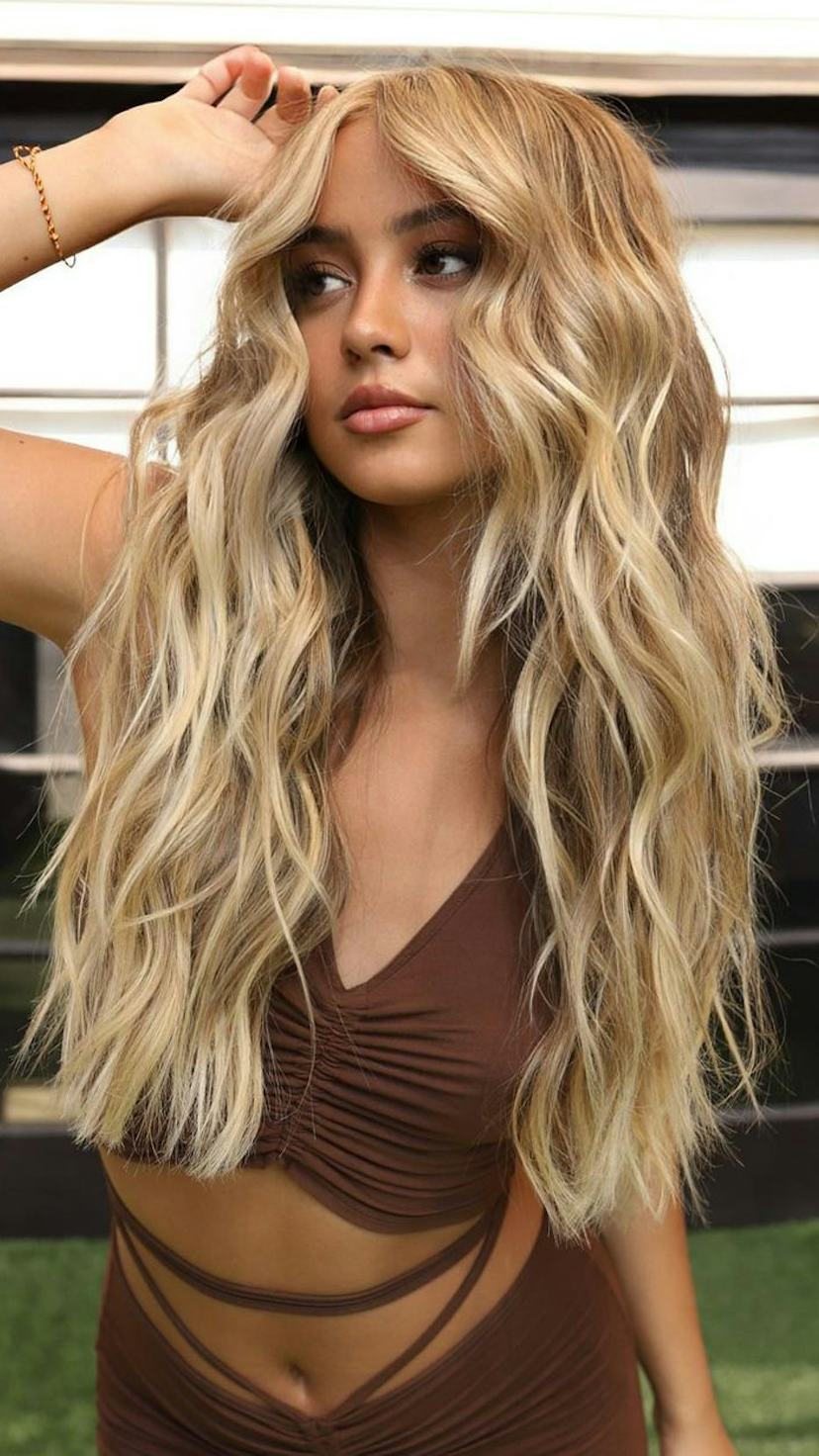
Curtain bangs are the part of this cut that does the heavy lifting. They sweep away from the center, so the honey blonde base shows through at the roots while the blended blonde highlights catch the light at the ends. Thick, wavy hair holds that shape without much effort. The middle part keeps everything symmetrical. Bangs need a trim every four to six weeks, and the color needs a gloss around week eight.
Glamorous look with honey blonde balayage and loose curls
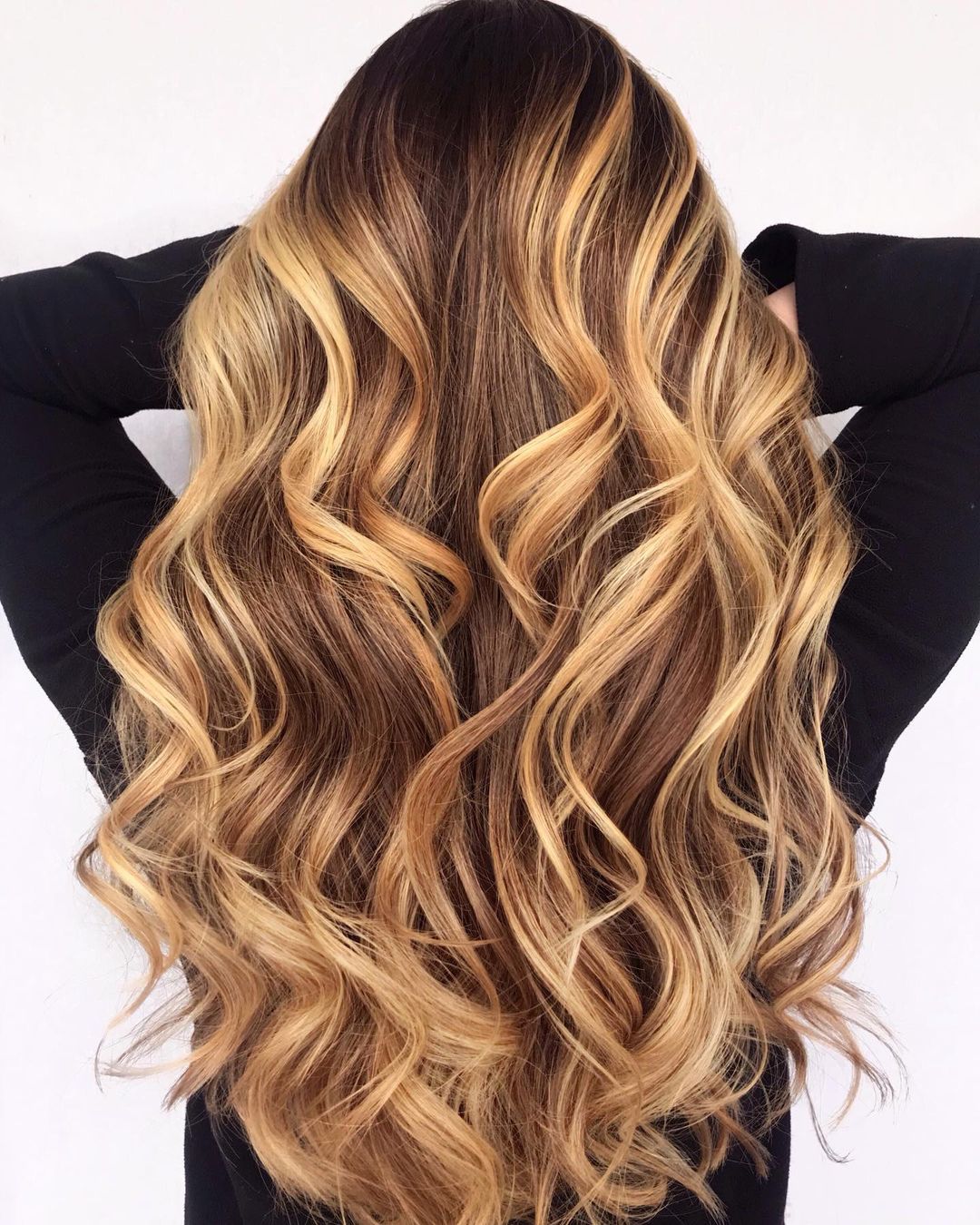
Dark brown roots meeting honey blonde ends is a low-maintenance setup with a deliberate look. The balayage technique paints the lighter color onto the surface of thick, wavy hair, so the curls get their own pockets of warmth. Loose curls add movement without looking curled to death. Works for most face shapes because the dark base creates a vertical line. Pass when your hair is very fine. The contrast between dark roots and light ends can look stark without enough density. Request from your colorist: honey blonde balayage, dark brown base, loose curls.
Warm inviting blonde shade with subtle highlights
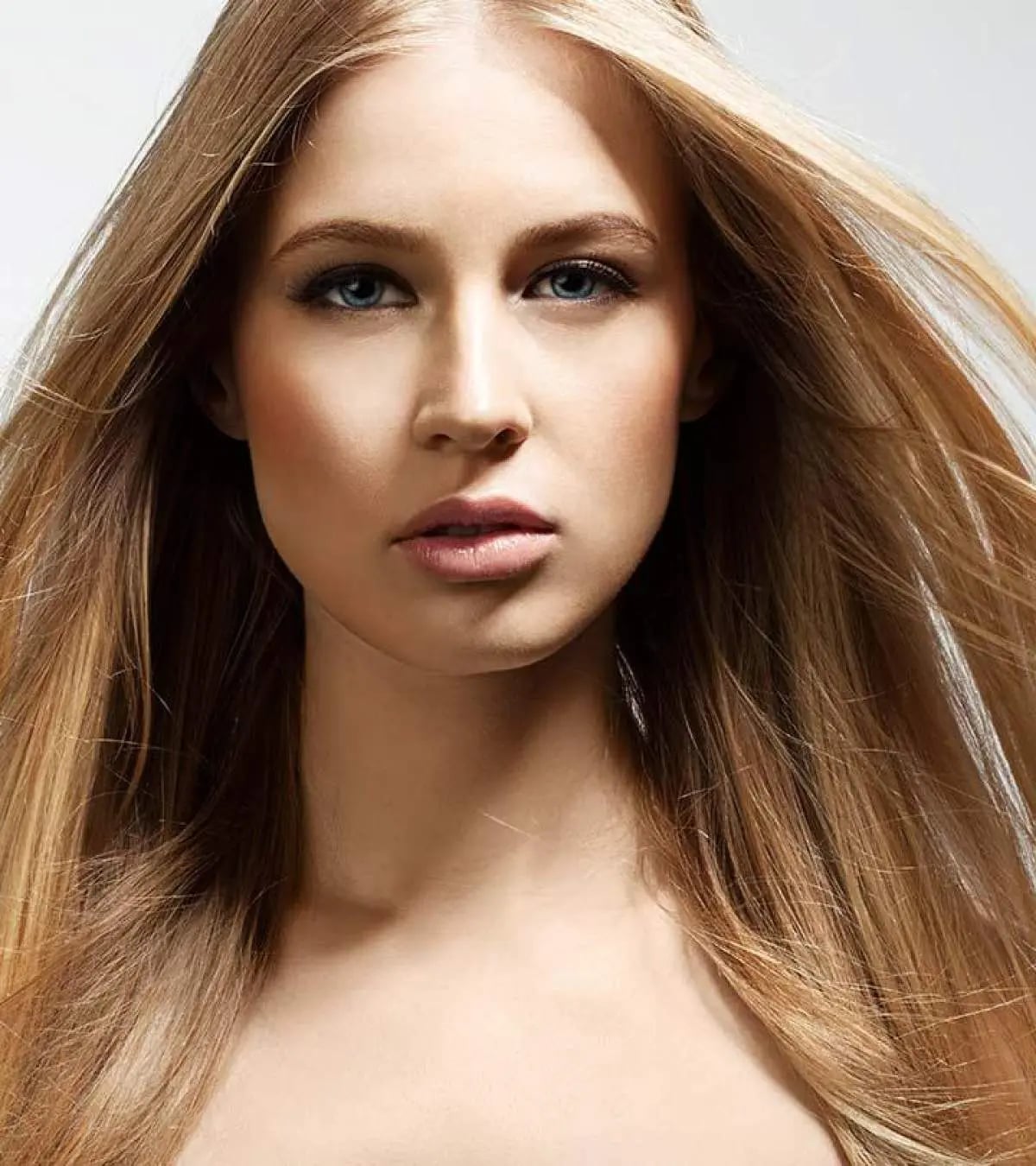
Air-dried waves are the test of a good color job. If the highlights are woven evenly, you get dimension without trying. This honey blonde shade sits somewhere between gold and beige, with subtle highlights that add depth rather than drama. The middle part lets the color fall symmetrically. Fine, wavy hair benefits from this approach because the lighter pieces create the illusion of volume. A leave-in conditioner helps the waves hold their shape as they dry.
When you want smooth blend from dark roots to honey blonde
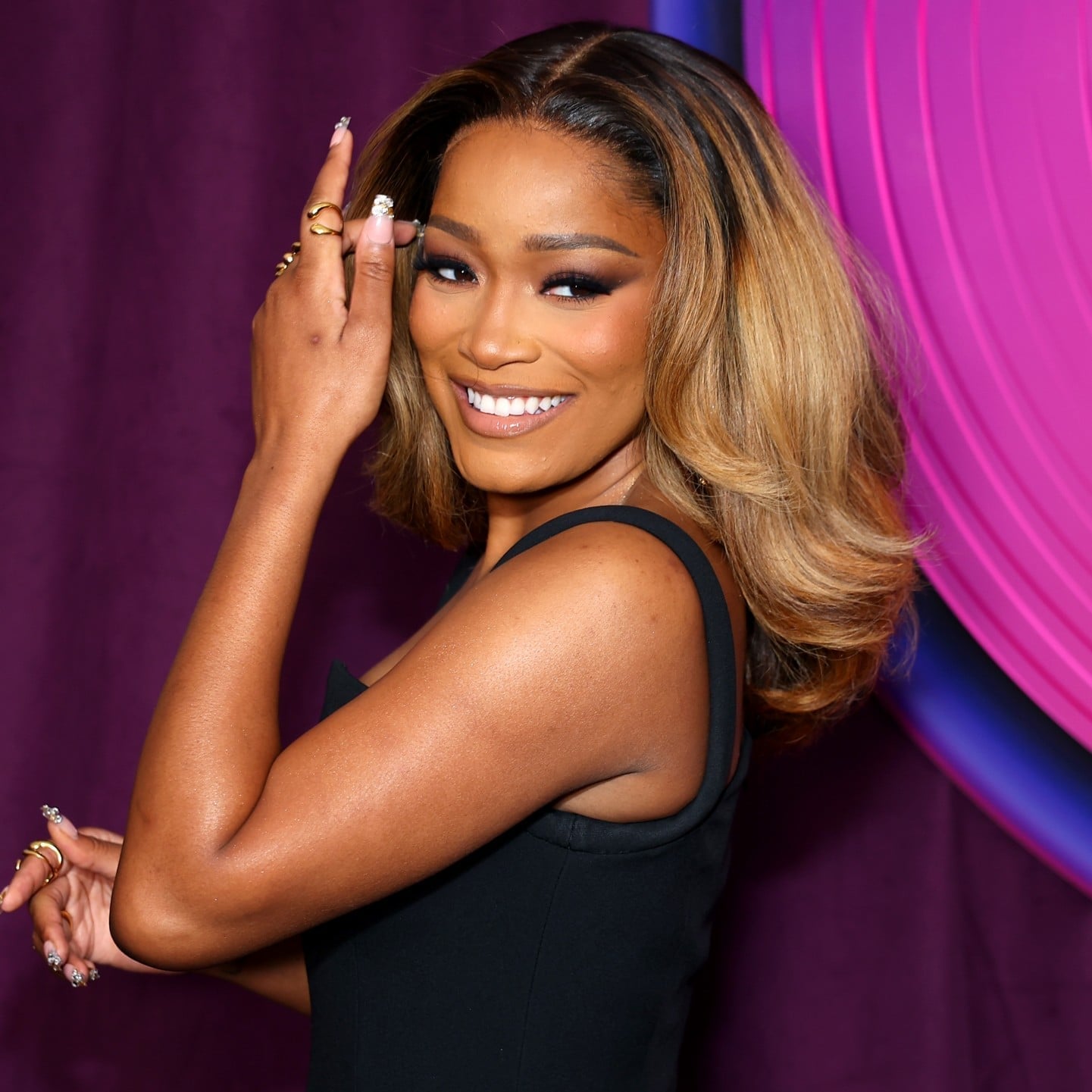
A soft blowout shows exactly how well the balayage transitions from darker roots to lighter honey blonde ends. Subtle layers keep the weight off the bottom, so the color graduation reads smoothly from root to tip. Thick, wavy hair carries this blend naturally. The texture hides the line where the colorist stopped painting. Suitable for most face shapes thanks to the middle part lengthening the silhouette. This style is built around the gradient, not a solid, single-process color.
Radiant shade with subtle peachy undertones
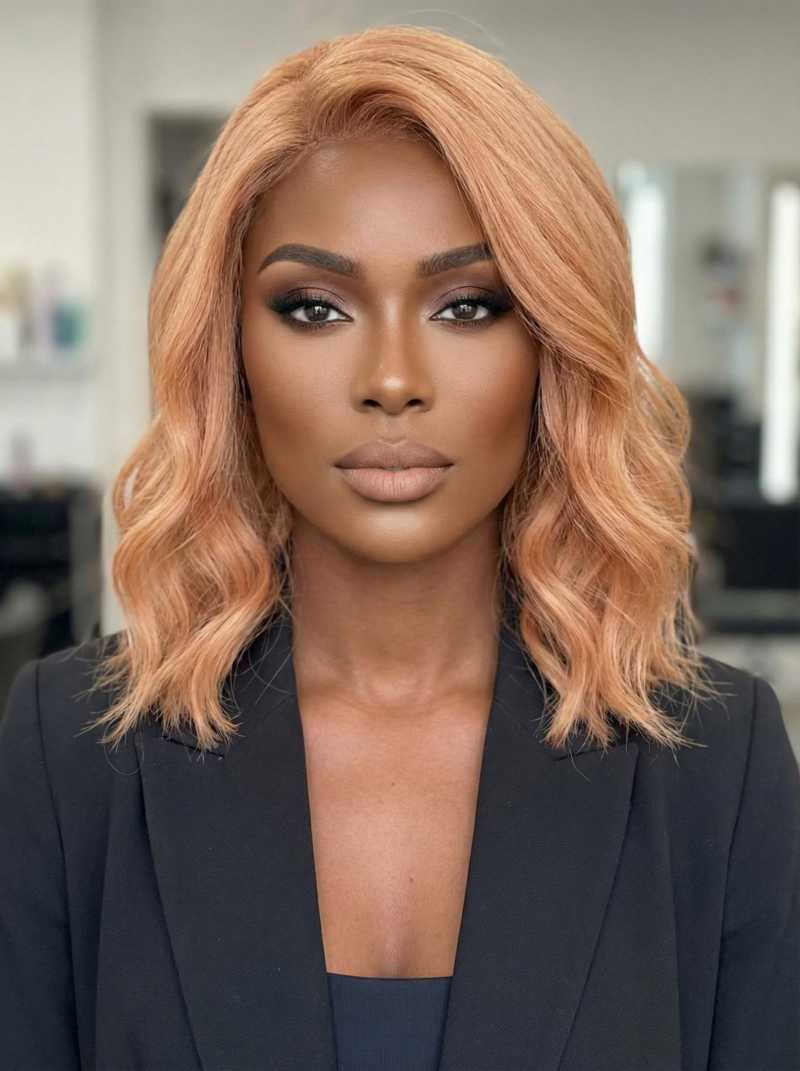
Peachy undertones keep a honey blonde from reading flat. Request from your colorist: honey blonde shade with peachy undertones, soft layers. Medium-density wavy hair takes this warm tone best. The wave pattern shows the peach notes without turning brassy. This warmth is deliberate, so ash tones or a very cool blonde are not the goal. A middle part and soft layers suit most face shapes by adding vertical movement.
Softness and movement with subtle highlights
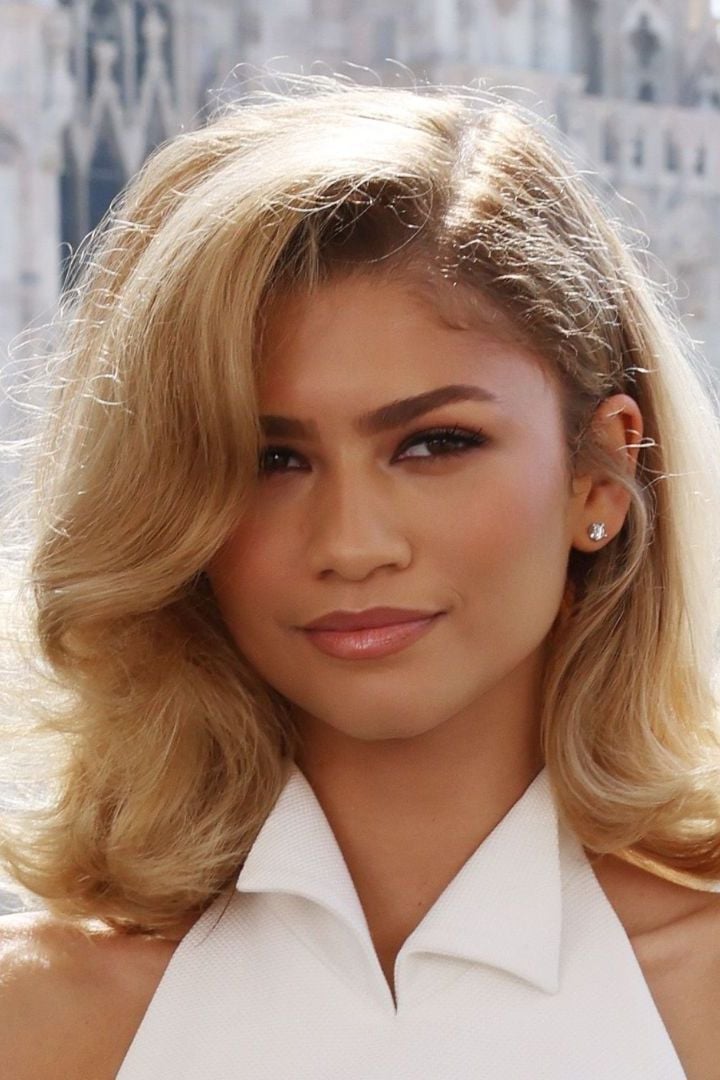
Honey blonde with darker roots wears this way from day one. The side part and soft waves give fine texture a lift that flat styling cannot. Subtle highlights are the technique, a few lighter pieces woven through the mid-lengths and ends, not a full foil session. Refresh the color every eight to ten weeks, and keep a texturizing spray on hand for second-day shape. The movement carries the look, not the shine.
Lighter effect with subtle blonde highlights and layers
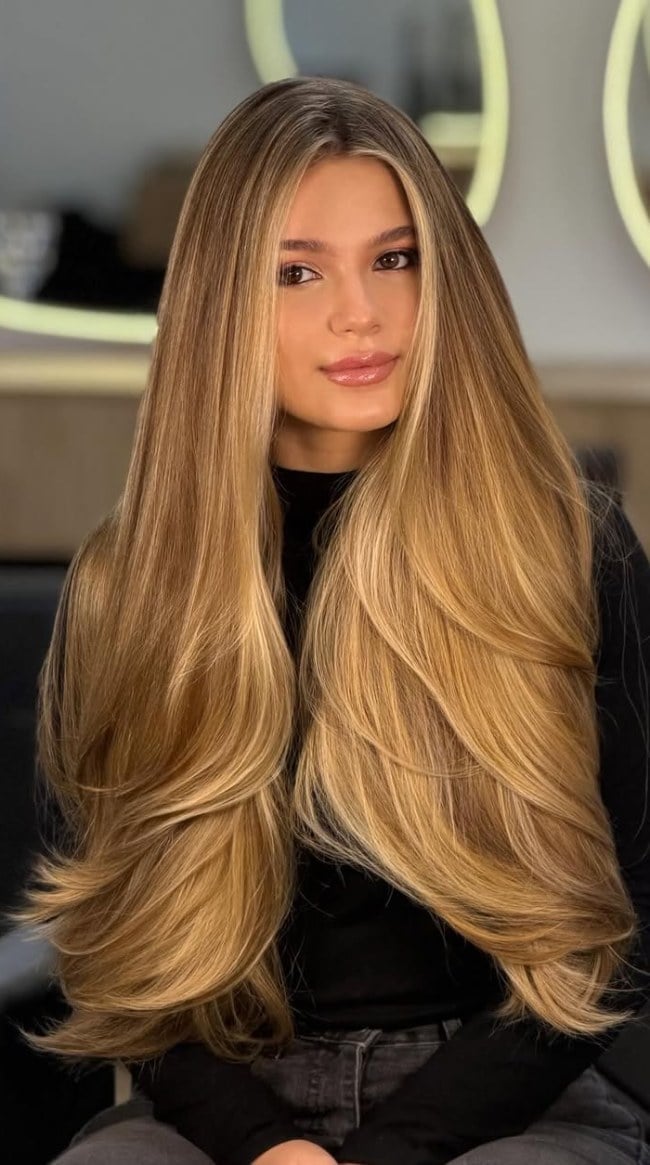
Book it as: subtle blonde highlights, layered cut. A smooth blowout with a centered parting shows off the layered movement, and the fine, straight texture here keeps the lighter effect from turning chunky. Warm undertones in the honey blonde base prevent the highlights from washing out. Skip it if you prefer an air-dried texture or a very bold color. This is neat, not casual.
Final Thoughts
Pick the honey blonde version that matches your morning and your natural base.
- Fine hair: subtle highlights keep it from looking flat.
- Thick hair: balayage with dark roots cuts styling time.
- Wavy texture: air-dried with a leave-in conditioner.
- Straight texture: a blowout with face-framing layers.
Honey blonde is a flexible shade that suits many.
